The Incessant Power of Drawings
On the Denise Scott Brown Exhibition in Bilbao
We have come to doubt the real necessity of being exposed to original artefacts, as we find ourselves drowned in a deluge of endless reproductions. Why bother visiting galleries and museums when one can check stuff on the web? A picture of teenagers scrolling their cellphones in front of a painting by Rembrandt at the Rijksmuseum in Amsterdam that became viral online in 2016 has come to epitomise our indifferent relationship to the vestiges of the past. Shot by Gijsbert van der Wal—and reminiscent of the series of museum pictures by German artist Thomas Struth—the photograph prompted outraged comments about teenagers’ addiction to screens. These turned out to be quite unfair as the students, in fact, had been tasked by their professors to access the museum’s application at the end of their visit and obtain further information about what they had just seen, gallery after gallery.
To me, the concentrated focus of the dozens of visitors flocking to the exhibition Denise Scott Brown. City. Street. House at the Fine Arts Museum of Bilbao in Spain, on a Sunday afternoon in February, was the proof that the aforementioned assumptions about the engagement that works of art generate are dubious. I spent a couple of hours in that exhibition, doing two things at the same time: watching the works on display and watching people watching the exhibited works. I did that because, as a curator, I always try to understand what works well or does not when it comes to architectural exhibitions. And this show, curated by the architects Maria Pia Fontana and Miguel Mayorga, turns out to be an exemplary achievement, from which to learn numerous lessons.
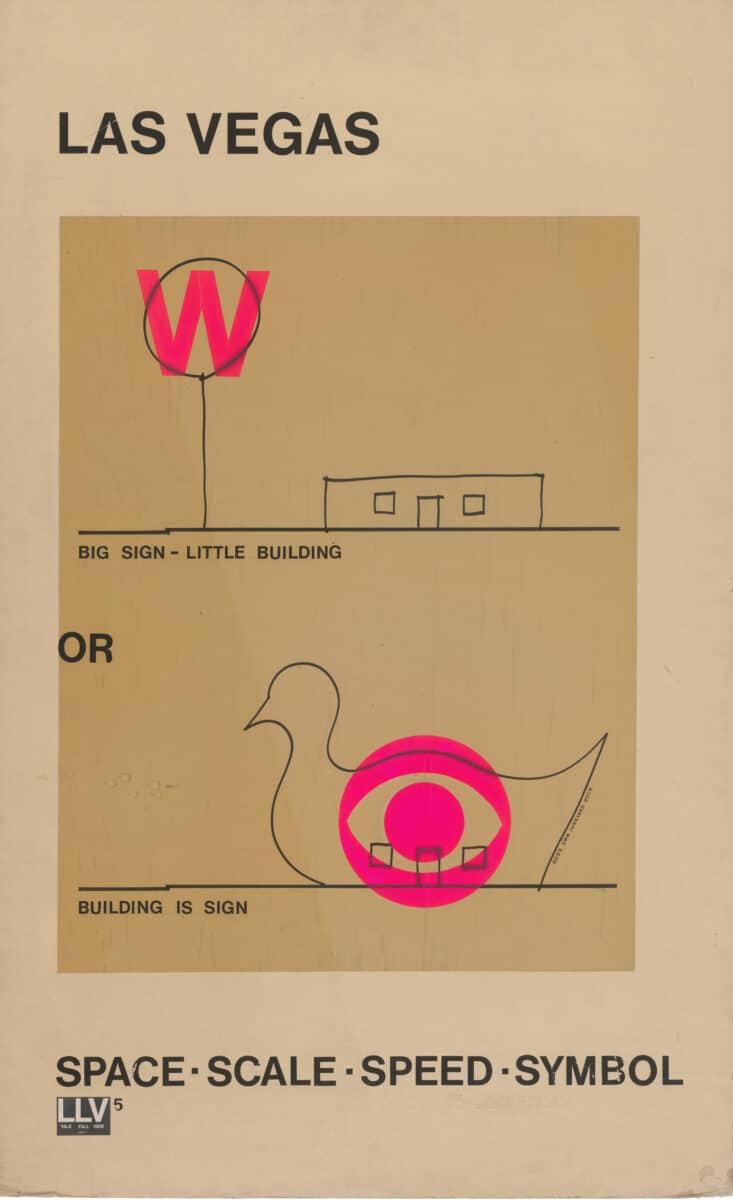
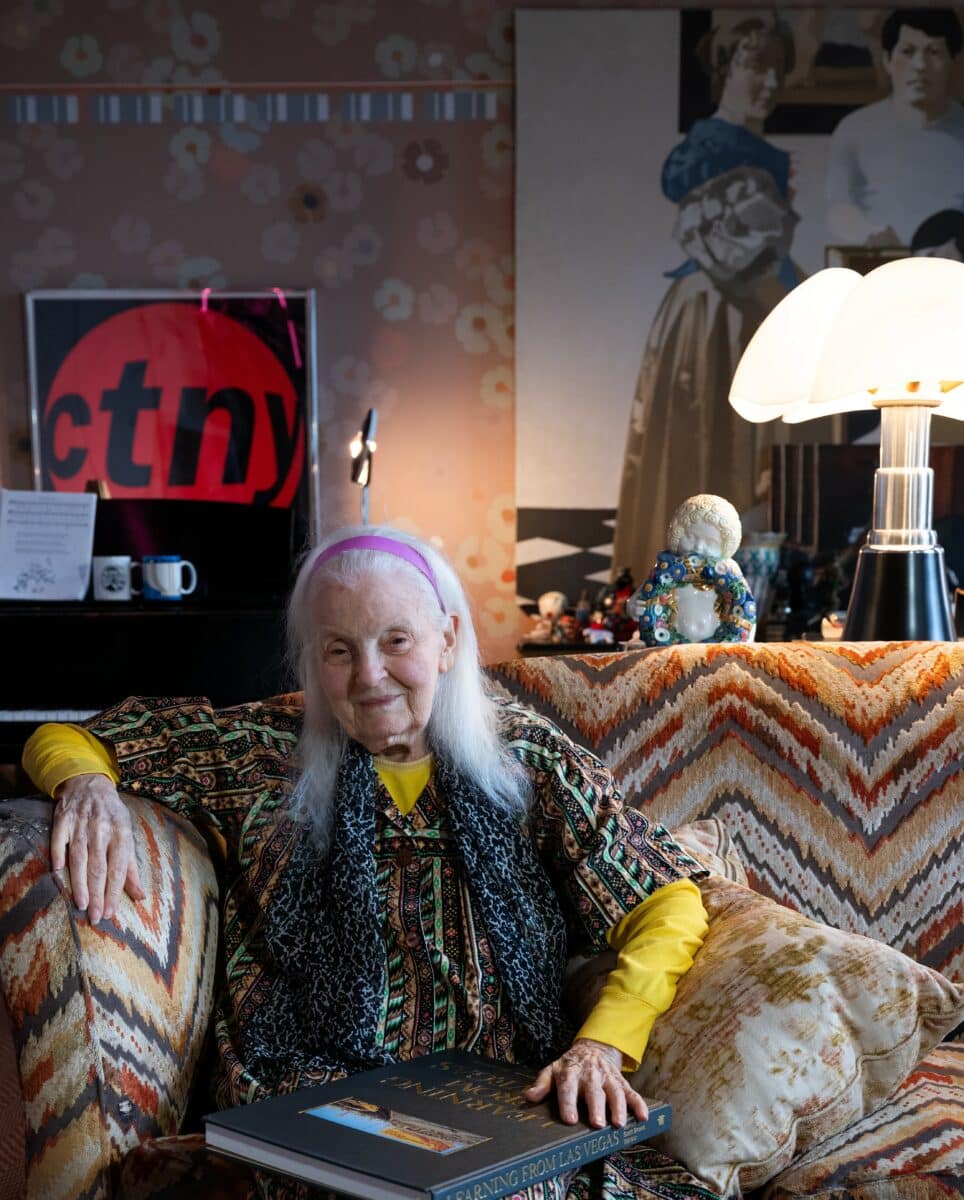
A stupid pun here: ‘Learning – again – from Learning from Las Vegas’.
I spent a rather long time there because the visitors were spending a long time as well, enthralled by the materials on the walls and in the vitrines, accompanied by thoughtfully crafted explanatory texts. The show is simple and direct in its premise: celebrating the intellectual influence played by Denise Scott Brown within the Venturi Scott Brown practice and therefore on the architectural discourse at large. And the show is simple and direct in its development, consistently echoed by the exhibition and graphic design choices: it segments the trajectory of Denise Scott Brown in three topics, ‘City’, ‘Street’ and ‘House’, allowing visitors to follow a chronological and biographical arc that culminates with a moving and poignant video interview of Denise Scott Brown, filmed in the house where she lived with Robert Venturi since 1972.
The very simple partitions introduced in the gallery space with their wooden structure left apparent and painted with a subdued palette of colours accompany the three-part curatorial sequence, but moreover they generate a neutral background that does not interfere with the content—a breathtaking array of original drawings, photographs, scale models and posters, punctuated by seminal works of art by Ed Ruscha, Andy Warhol or Roy Lichtenstein.
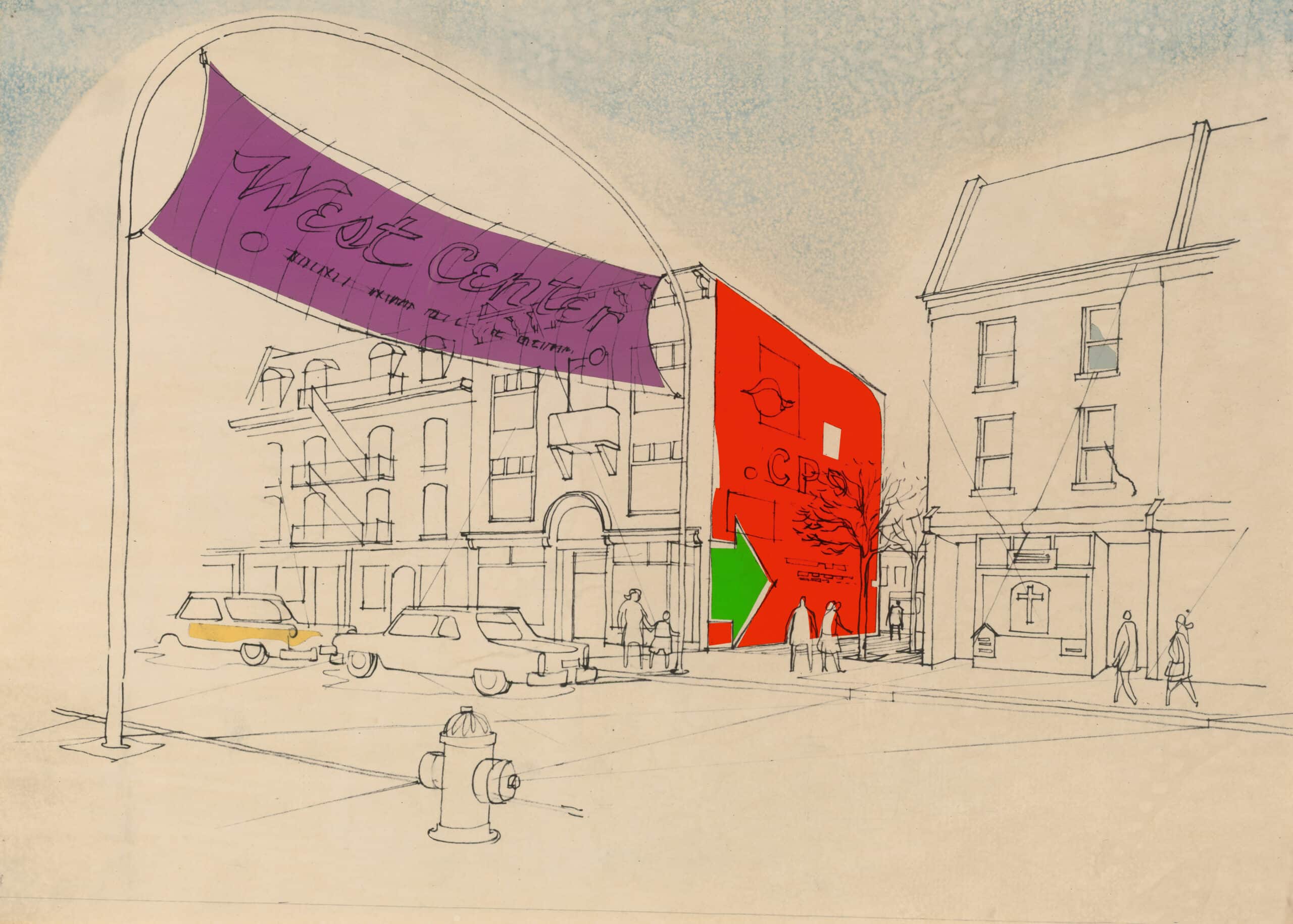
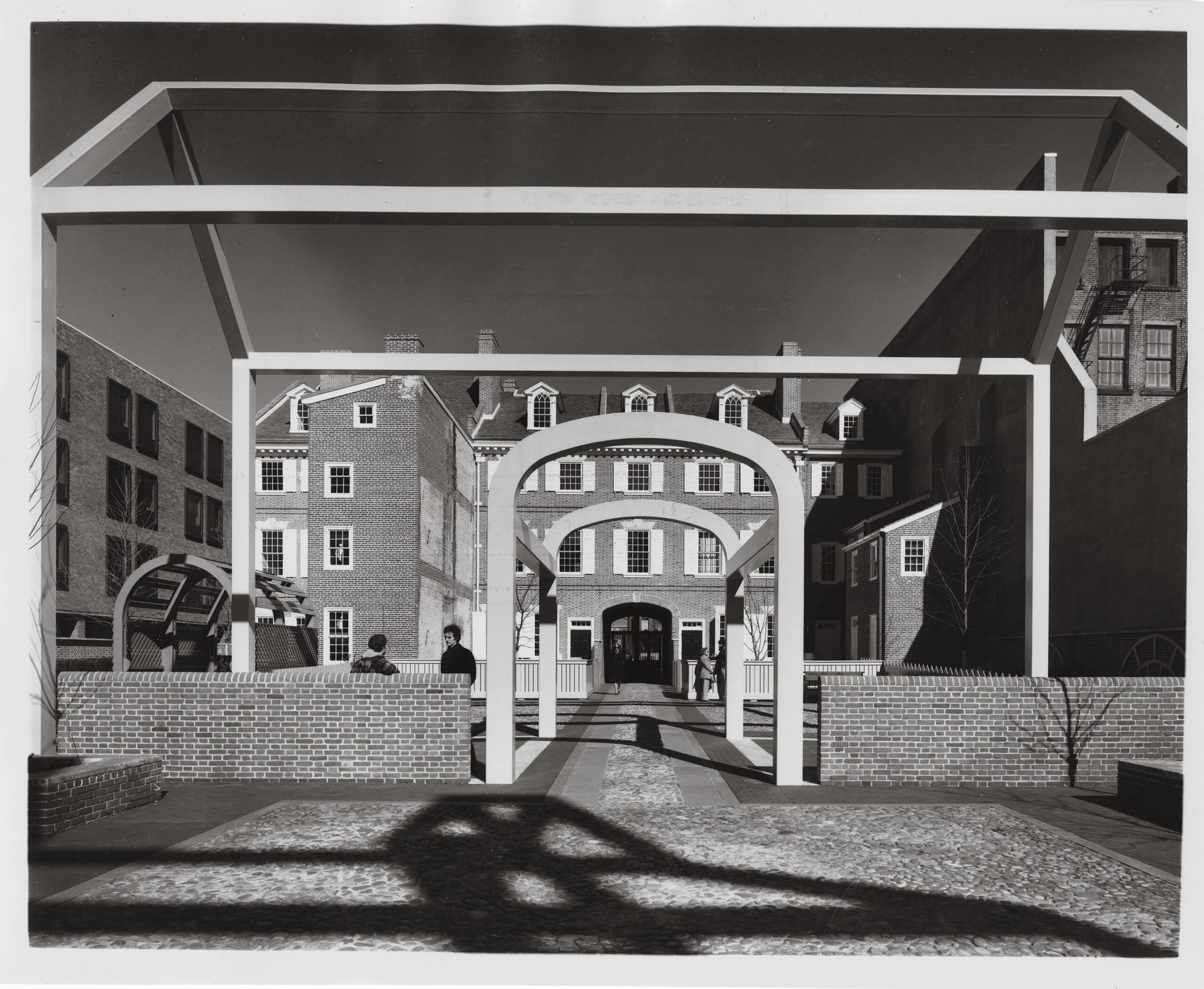
The narrative of the three sections is entirely supported by the archival materials, allowing one to understand successive shifts in themes, discourse and sophisticated drafting techniques and to sense the intellectual and reciprocal nourishment occurring between Denise Scott Brown and Robert Venturi. The section ‘City’ traces the arrival of Denise Scott Brown at the University of Pennsylvania in Philadelphia, after being recommended to study urbanism and planning in the USA by the Smithsons after her years at the AA in London, her brush with Louis Kahn as a professor, and presents a series of studies and plans for the city, in particular the Philadelphia Crosstown Community Planning Studio (1968–1972), an initiative of advocacy planning, developed in the same years of their Las Vegas research, where the value of everyday life and the vernacular was brandished against massive renewal initiatives.
‘Street’ is where the jewels of the crown are showcased, not only the materials that converged into ‘Learning from Las Vegas’—the ‘Great Proletarian Cultural Locomotive’ as their Yale studio was named—but also other researches on the street as a symbolic place in Miami’s Washington Avenue (1978–1979) or projects where this archetypal space is embedded in the design, such as for the circulation spine of the Sainsbury Wing of London’s National Gallery (1991).
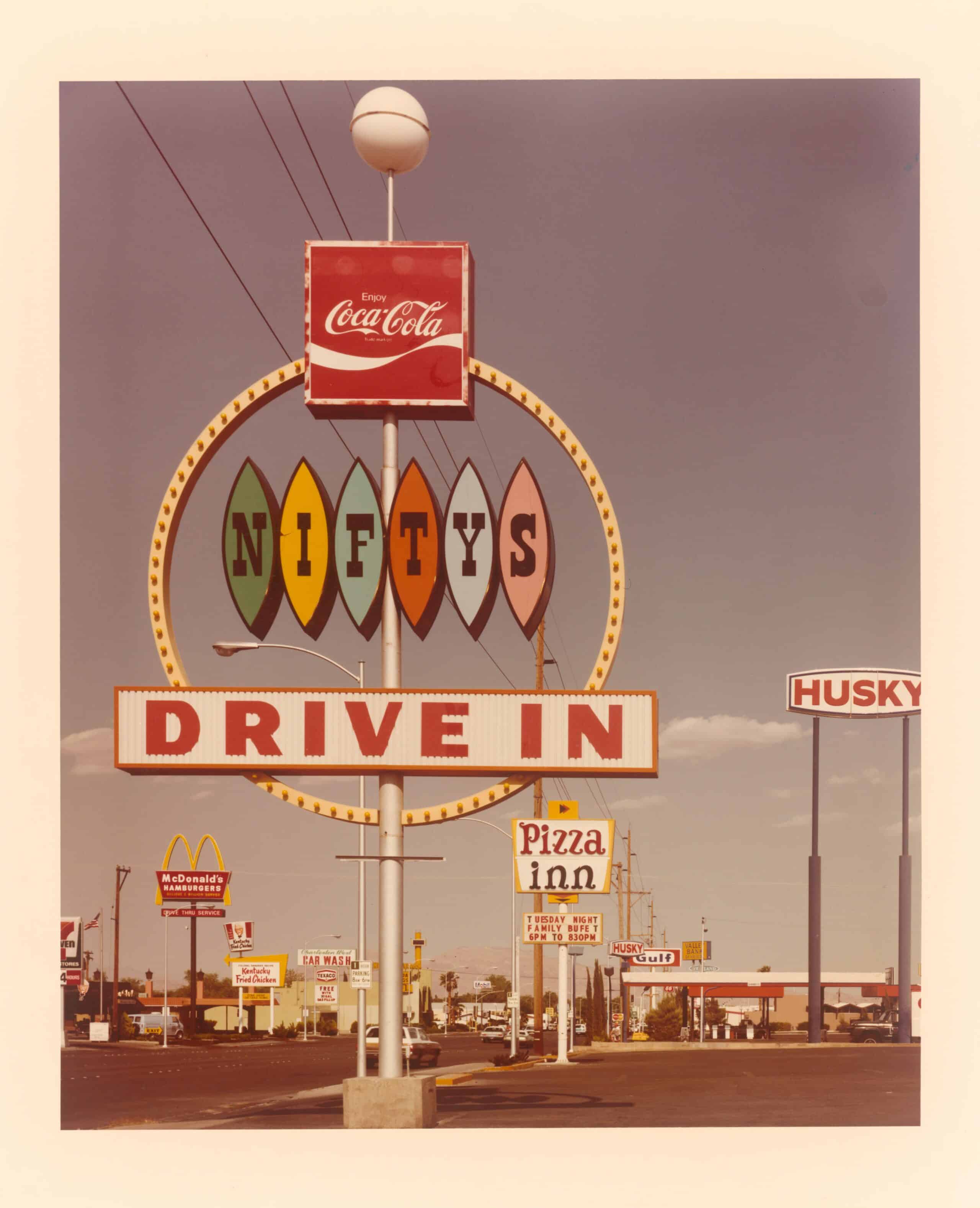
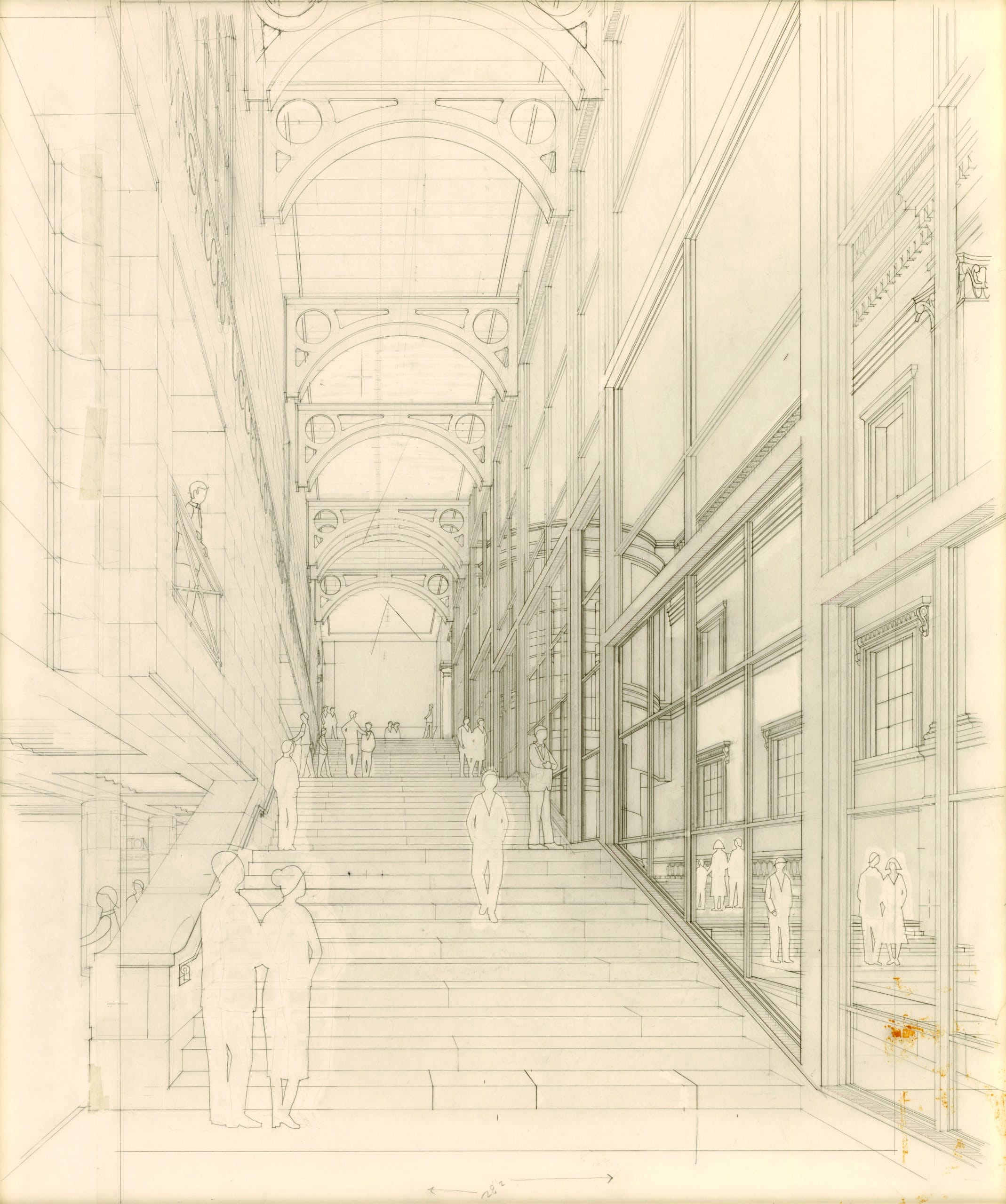
Here, the cognoscenti might satiate their curiosity and finally appreciate the real scale, layout, and grain of seminal illustrations only known through books, magazines and endless PowerPoint presentations in architecture schools. These originals reveal themselves to be either tiny letter-format sheets, as for the ‘I am a Monument’ sketch or gigantic prints of the analytical plans of the Strip, covered in Letraset. The quality and variety of the materials, where Scott Brown’s photographs impress for their composition and usage of chromatic saturation, strike a chord not just among architecture buffs but with the public at large: who would imagine urban analysis schemes to be so appealing?
‘House’ puts in dialogue the research by Denise Scott Brown on features of domestic life and spaces in the USA, in particular the ‘Learning from Levittown’ studio at Yale University run with Venturi and the exhibition Signs of life: Symbols in the American City (Washington D.C., 1976) with the projects for single family houses designed by Venturi in the late 1950s and early 1960s with his then associate John Rauch, then joined in 1969 by Denise Scott Brown. The smooth shift in the exhibition space towards the final projection room for the 21 Structure on Wissahickon Lane (2025) operates as a revelation of the entire attitude and methodological approach of Denise Scott Brown. The show acts on continuous feedback loops, where the linear succession of the materials can be revisited because smartly, access and exit to the exhibition are the same, and content previously seen can be seen again, but with an enriched understanding.
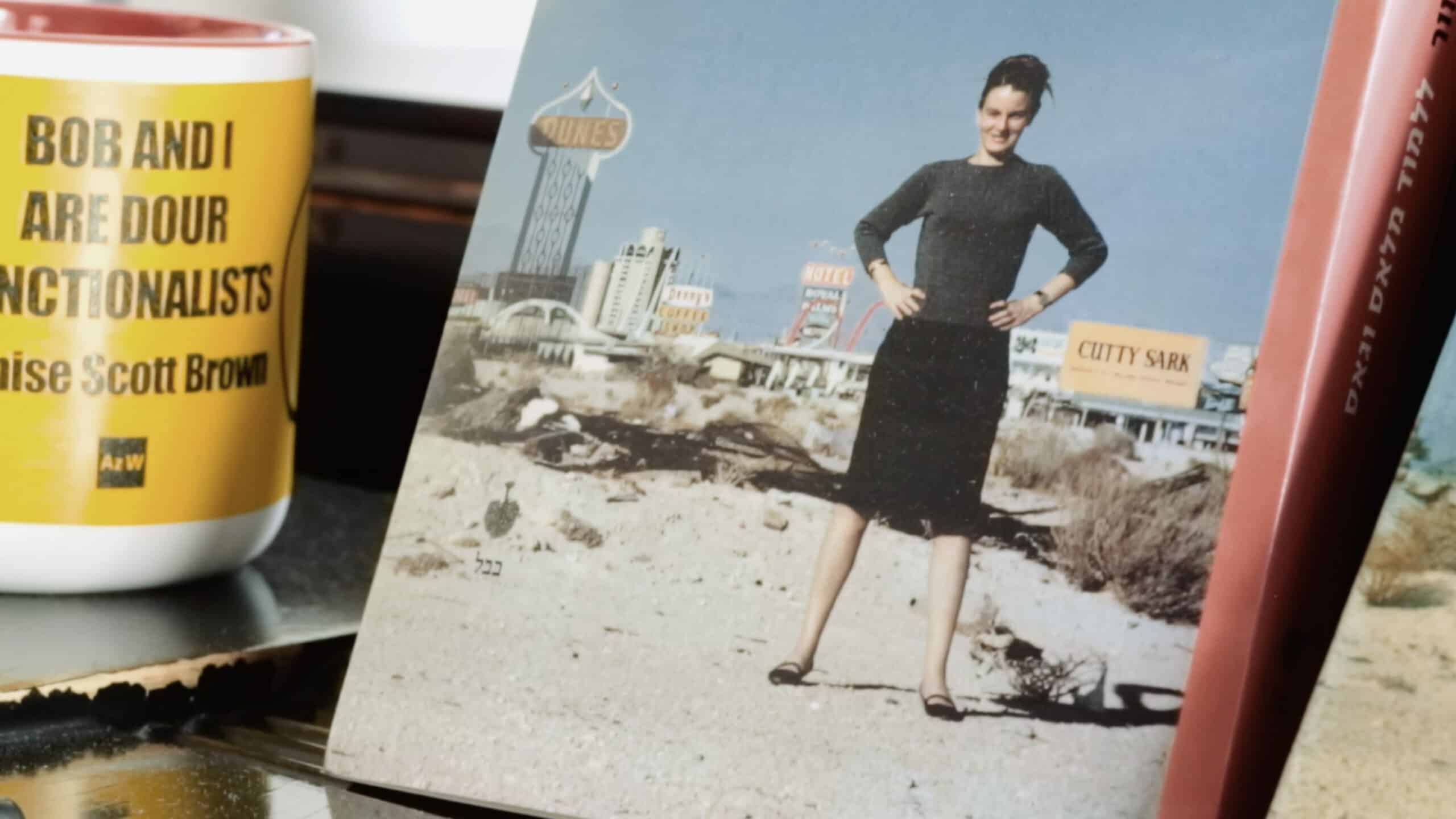
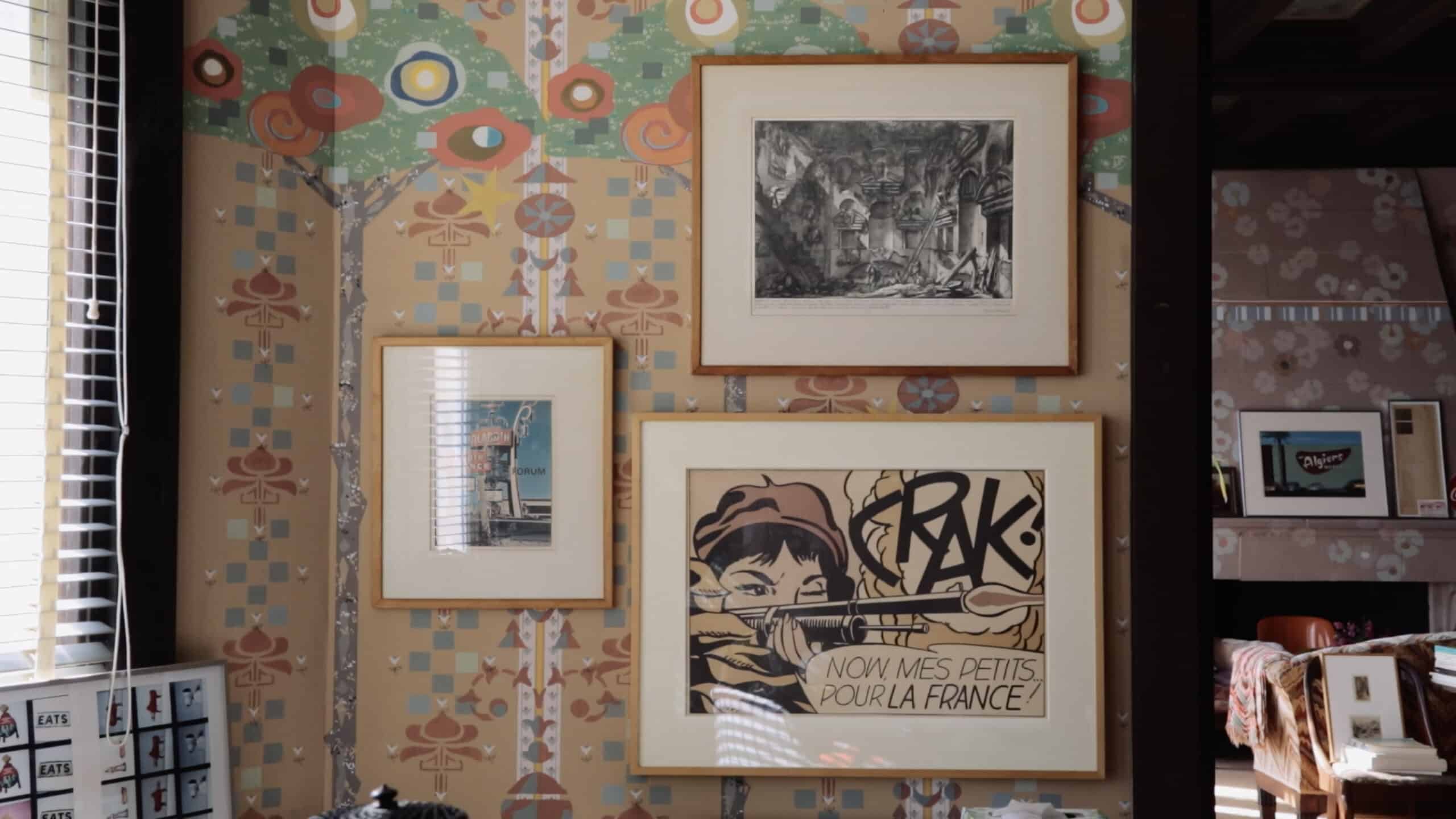
It is at the end of the exhibition that one senses how her entire work is based on a non-judgemental and open curiosity, a democratic glance upon the ways in which humans occupy and modify their environment, constructing systems of symbolic expression to inhabit the world. Architectural knowledge and skills were mobilised to sense, survey and understand such complexity. Myriads of ‘Learning from’ experiments have sprouted in the past decades. Very few have managed to be as impactful as hers because they tried just to replicate some techniques. Elevations, plans, axonometric, perspectives, photographs, the tongue-in-cheek slickness to dare to collage Nolli’s plan of Rome with a promotional postcard of Las Vegas, taxonomical indexing of contact-sheets are evidence of something that perhaps is not that easy to learn if you just don’t have it: affection.
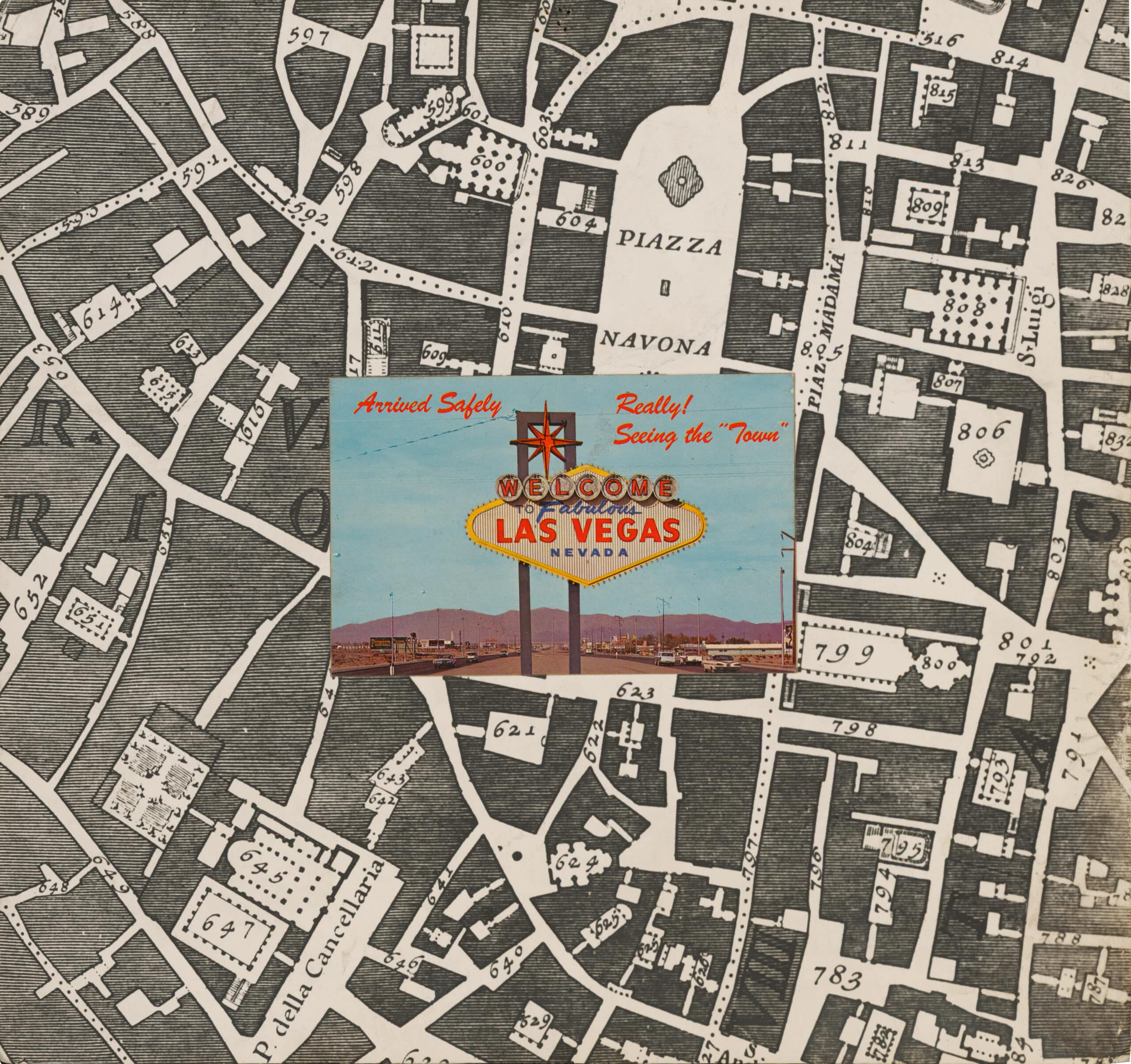
More information on the exhibition Denise Scott Brown. City. Street. House can be found here.
*
Fabrizio Gallanti is a curator and architect with experience in architectural design, education, publications and exhibitions. He was the director of arc en rêve – centre d’architecture in Bordeaux (2021–2025). He is the founding partner of FIG Projects.

– Fabrizio Gallanti