Unknown Hands
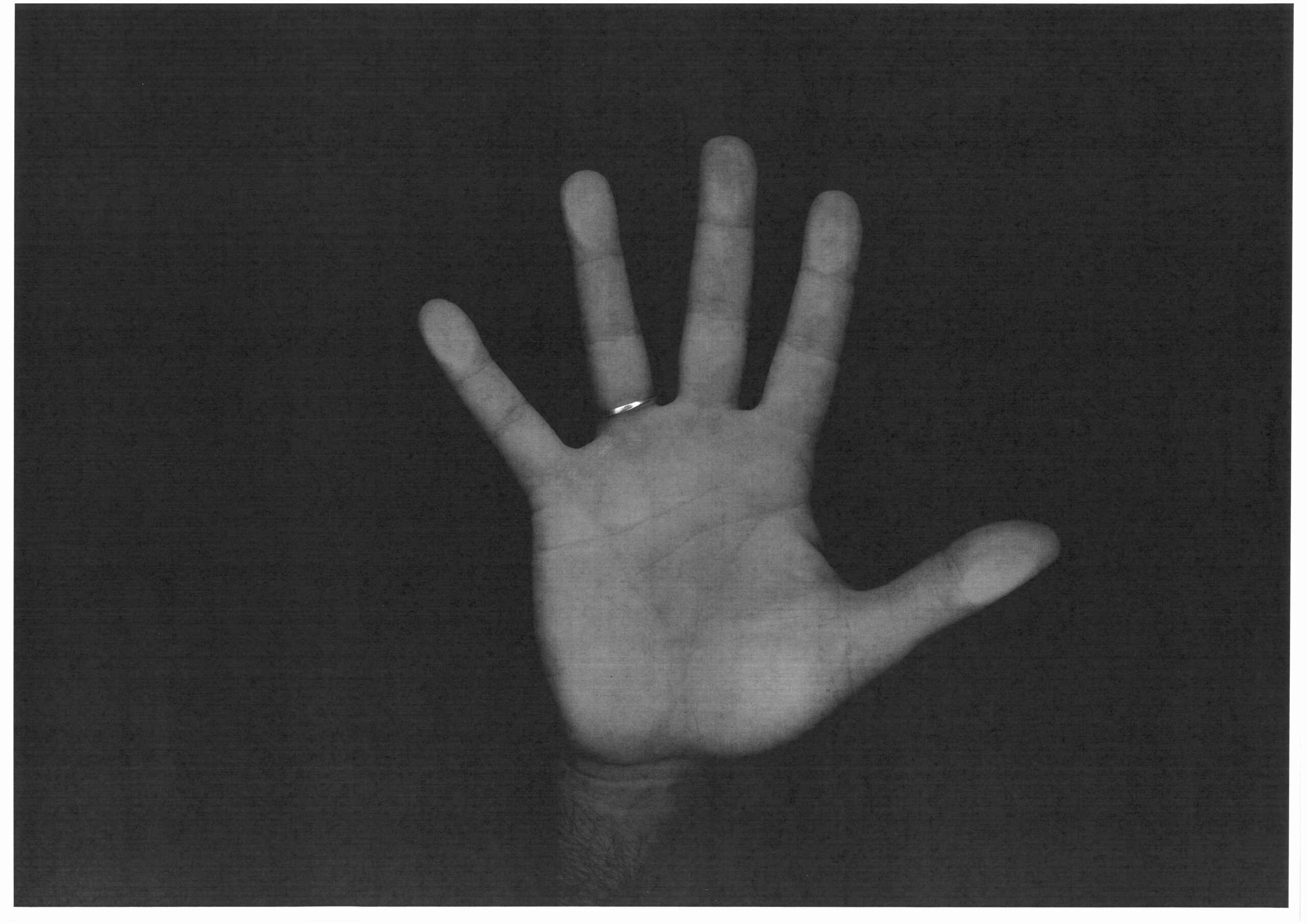
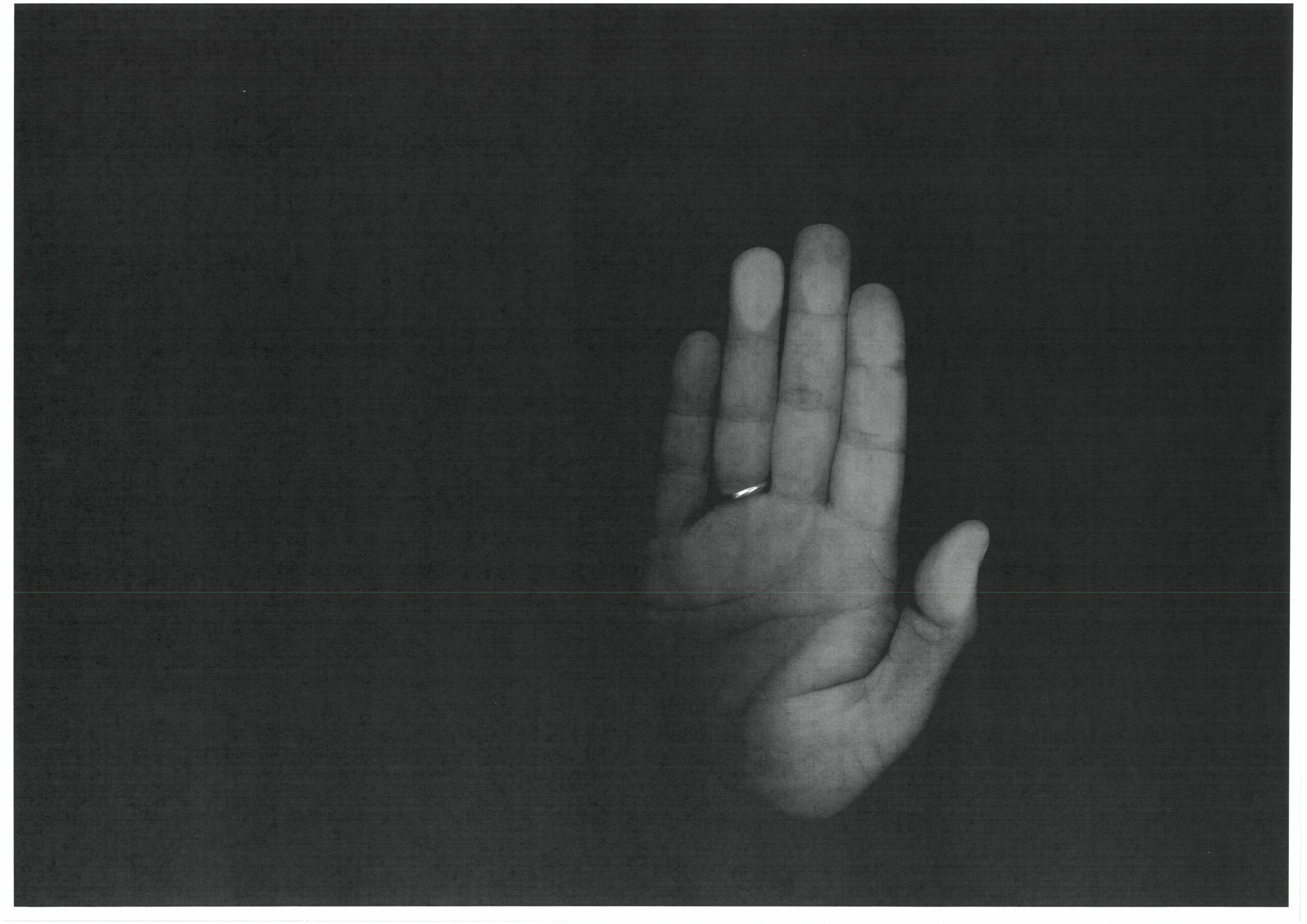
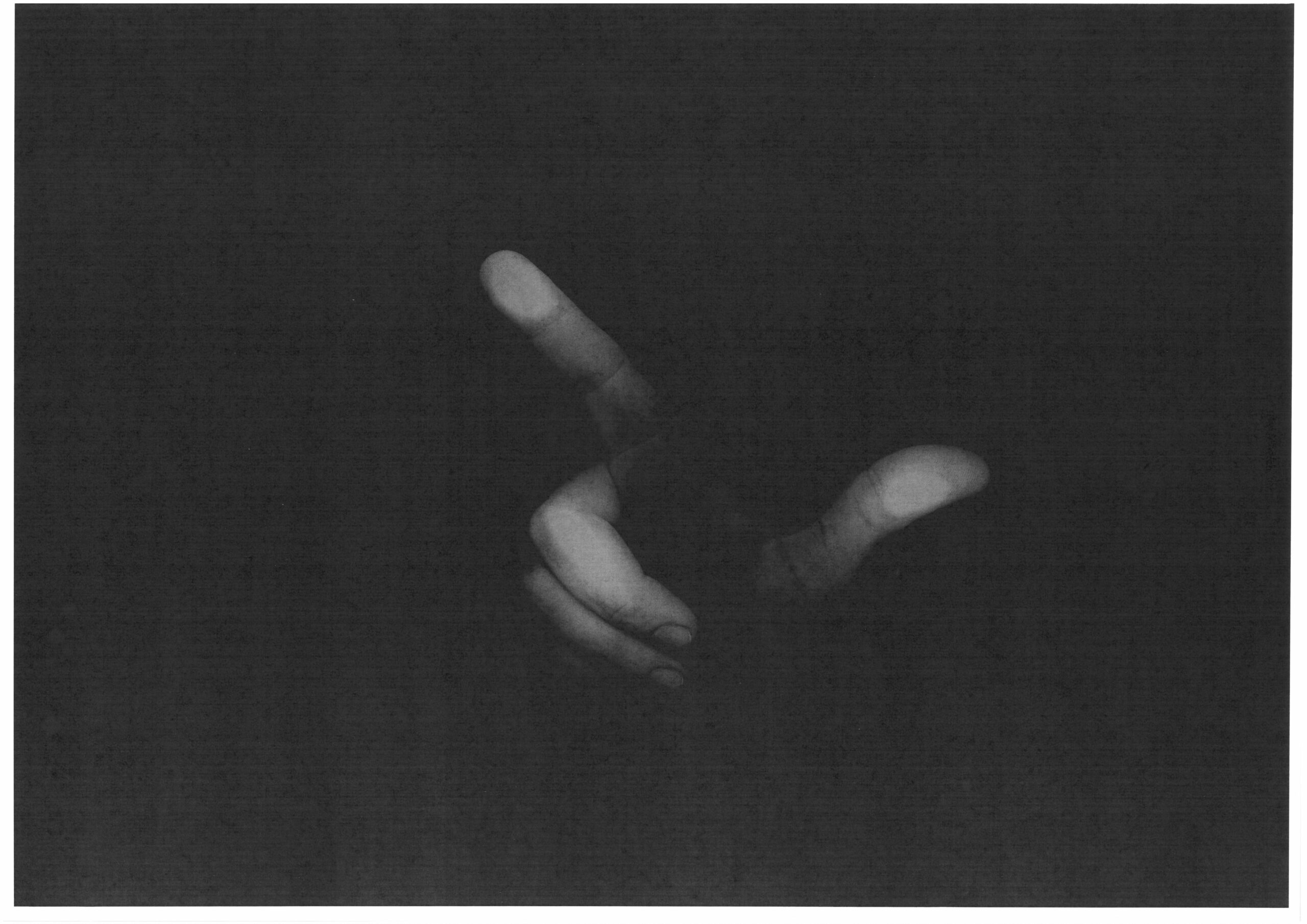
The visual material presented here comes from an early phase of House of Fire, an installation created by Studio Paradigma Ariadné for the 2025 Chicago Architecture Biennale—long before the exhibition reached its final form. These images were never intended for display. They were test pieces, fragments, unsuccessful experiments, photocopies of photocopies: the earliest attempts to grasp something fundamentally immaterial—heat, proximity, the sensitive boundary between the human body and architecture.[1]
‘The adobe fireplace is more than a utilitarian object: it is a vessel of memory, touch, and community. Built by hand, mostly without tools mediating between maker and matter, it creates a direct connection between the human body and the earth. When a grandchild repairs a hearth, they may encounter the handprint of a long-departed ancestor, discovering a sense of continuity between the living and the dead in the material roughness of clay.’
As our description of the project suggests, the fireplace, both as a physical object and an idea, holds an immensely layered story; it carries within itself the drama of life, comforting warmth, rest and nourishment, fragility and material transience, reality and lyricism at once. During those early conversations in the studio, many personal and objective references emerged as we orbited around the idea of an imaginary adobe furnace. We imagined ourselves within a story where, in the middle of the Great Plain, in an abandoned, half-collapsed earthen house, only the densest part remains standing—the furnace. A furnace that could be rebuilt together with the house from the surrounding soil, carrying something both profane and sacred.
A text comes to mind—a deeply cherished piece by Sándor Weöres—which speaks precisely about these indescribable auras and intangible forms of love, wrapped in beautiful metaphors:
‘Crave no one’s love, refuse no one’s love.
Let your love flow as fire gives off light and warmth: falling evenly on all.
And let those who draw near receive more of your glow than those who keep their distance.
Your family, your daily companions, and all who seek you, let them be to you as the room is to the stove: the space entrusted to its warmth.’[2]
I became fascinated by the reversed relationship described in the last sentence—what is the room to the stove? What is the human to the house? What is the hand to the stove? What is the edge of the palm to the corner of the wall? I began photocopying my hand. I placed it into various imagined and real situations, the instinctive gestures with which one smooths, presses, pats, scrapes with the hand, fingers, or nails. There was no composition, no aesthetic intention, no arranged lighting. I was interested in what the furnace might ‘see’. Only the weight of the body on cold glass, the imperfect contact of skin and sensor, the stuttering light bar typical of scanners sliding beneath the palm. The resulting images were raw, almost awkward: flattened, dark, partly burnt-out forms where fingertips dissolved, and the creases of the skin appeared as deep black ravines. These early drawings, by contrast, capture the joyful moment of experimentation and doubt—and the desire to make the invisible visible.
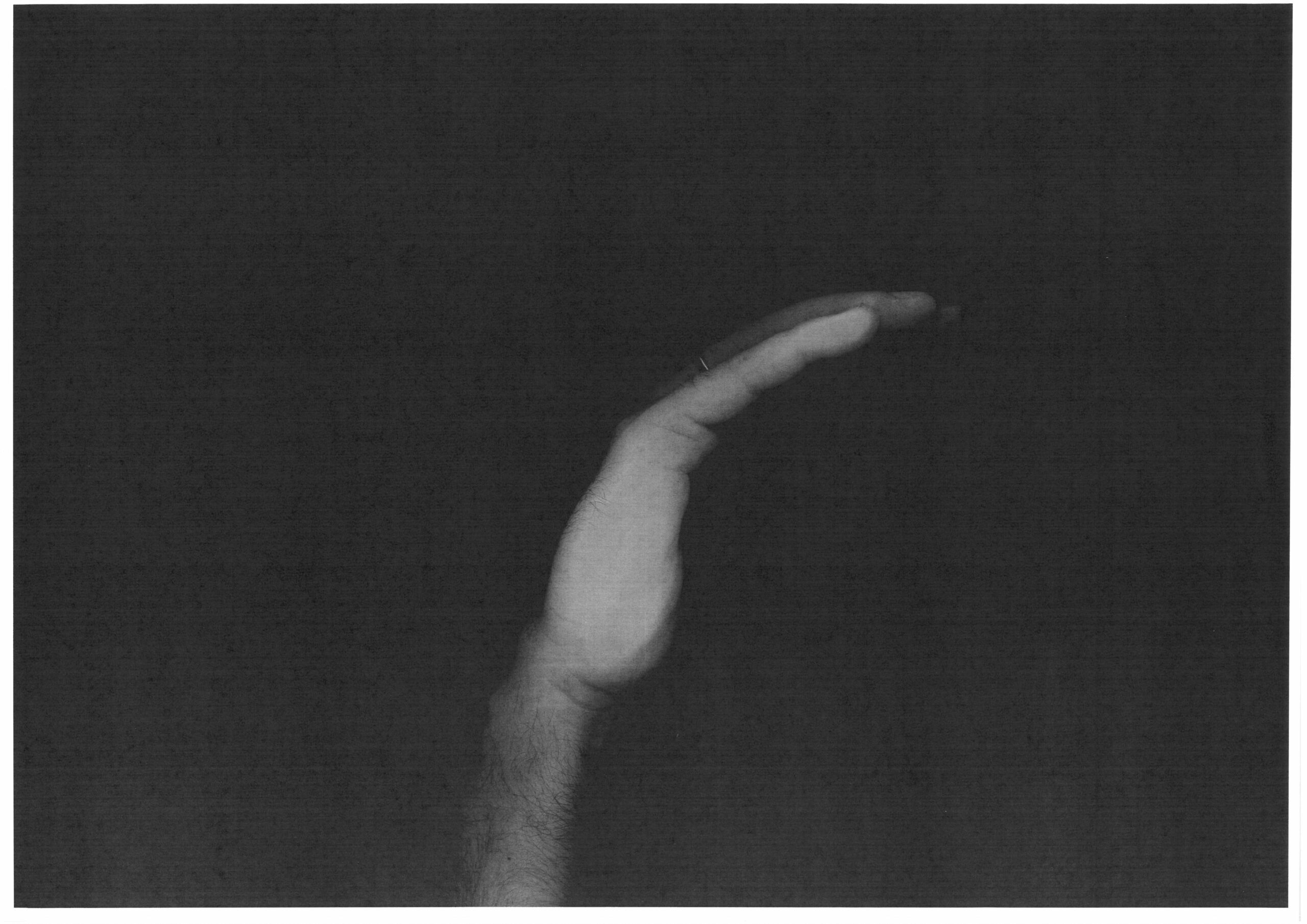
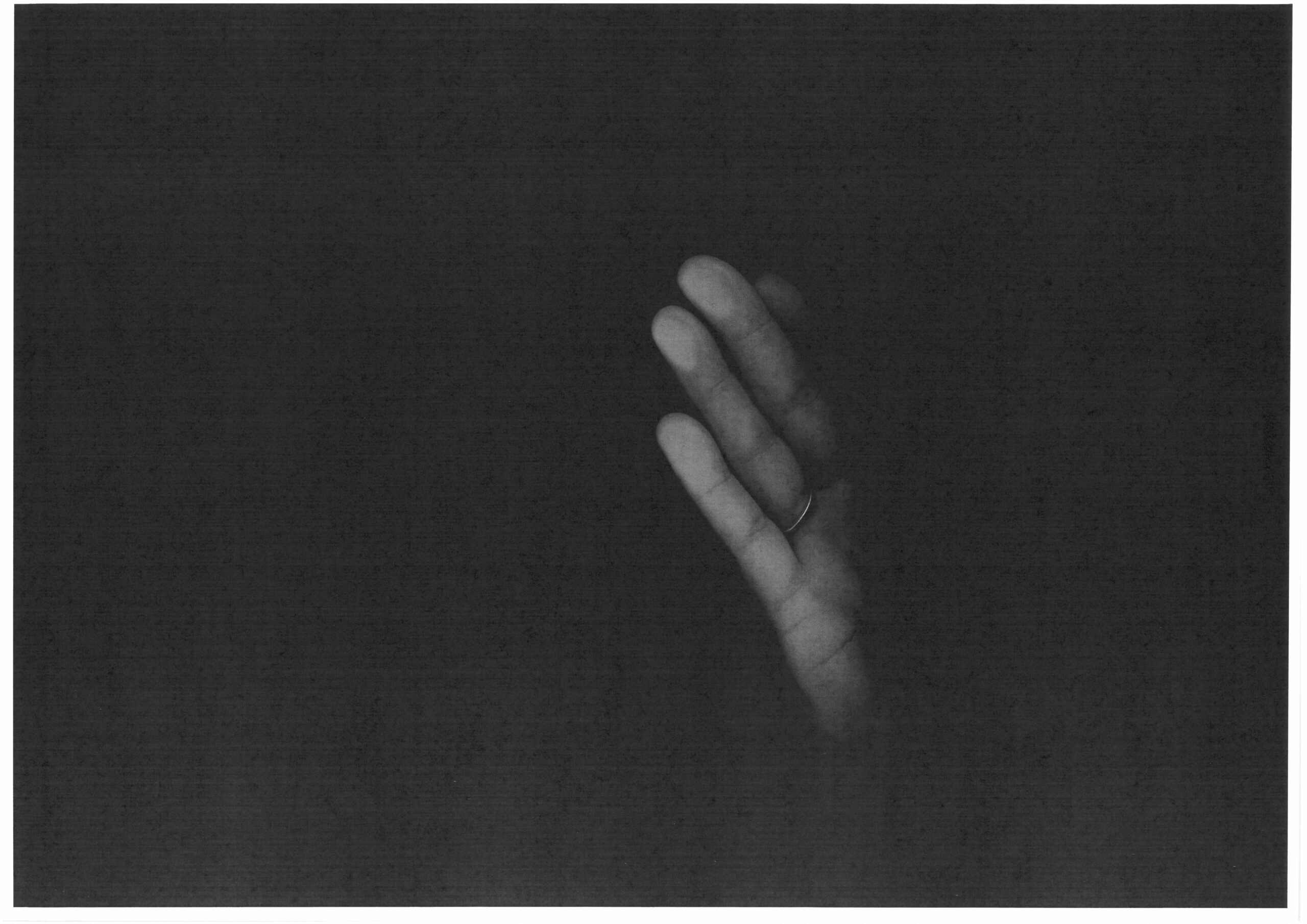
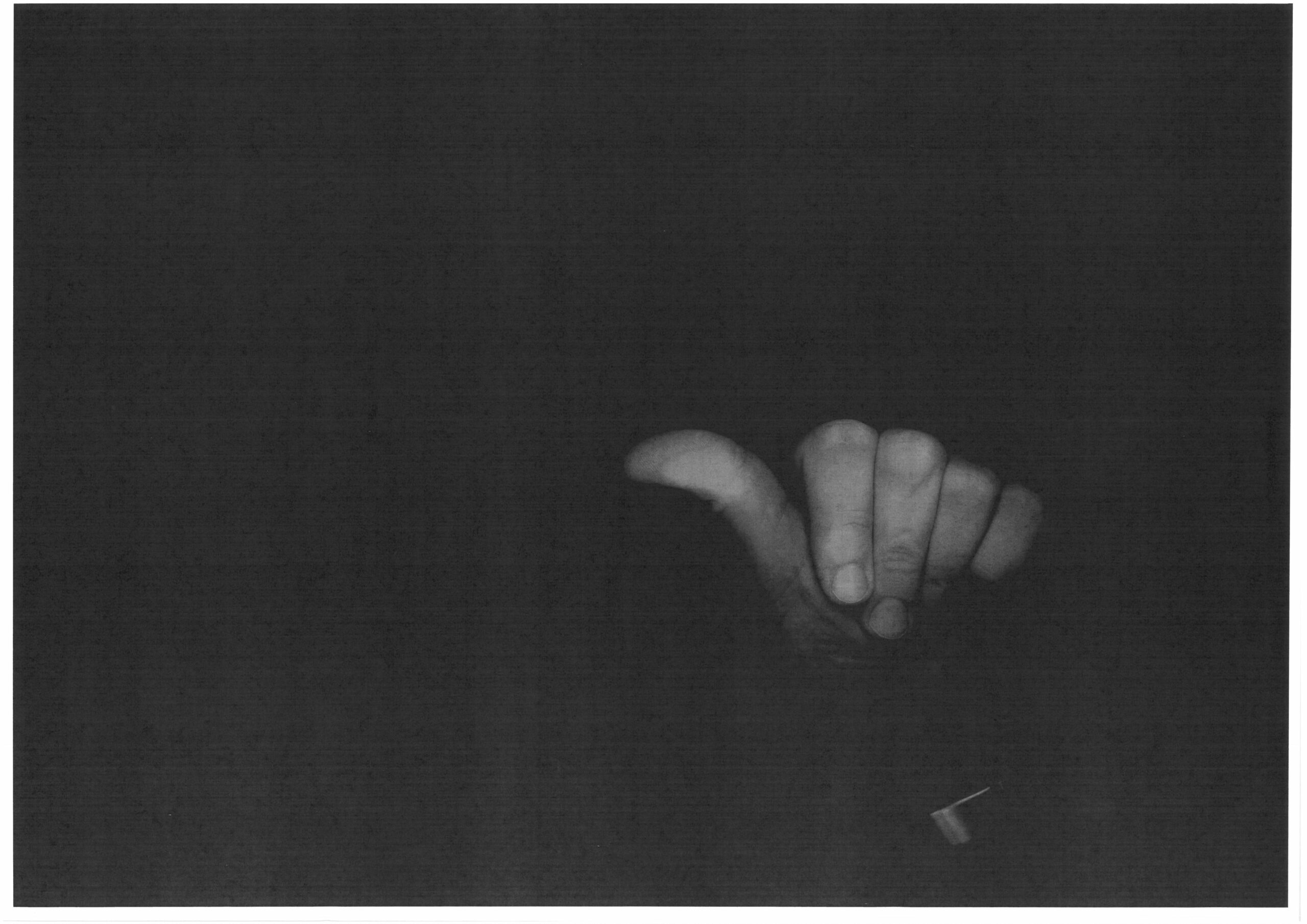
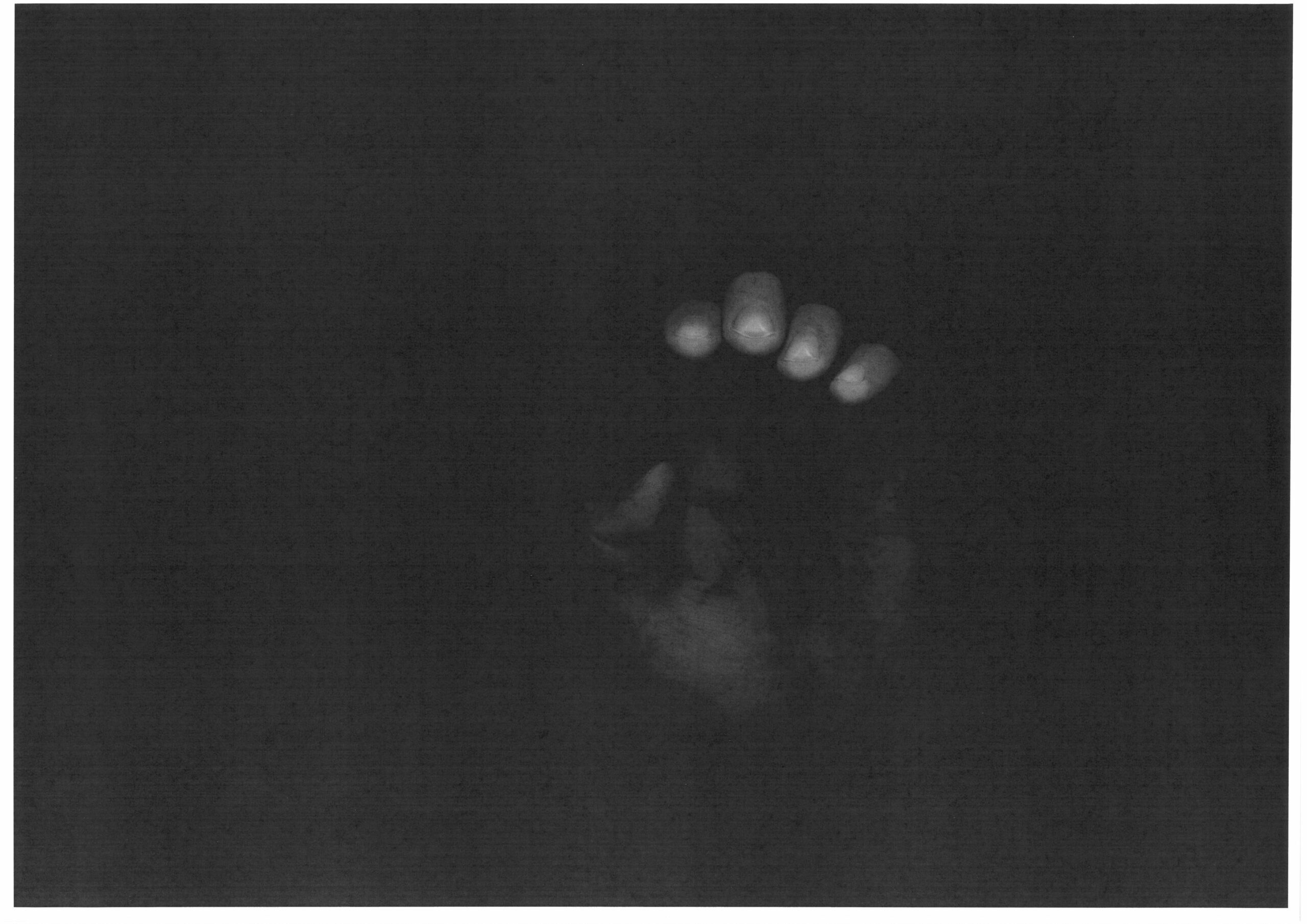
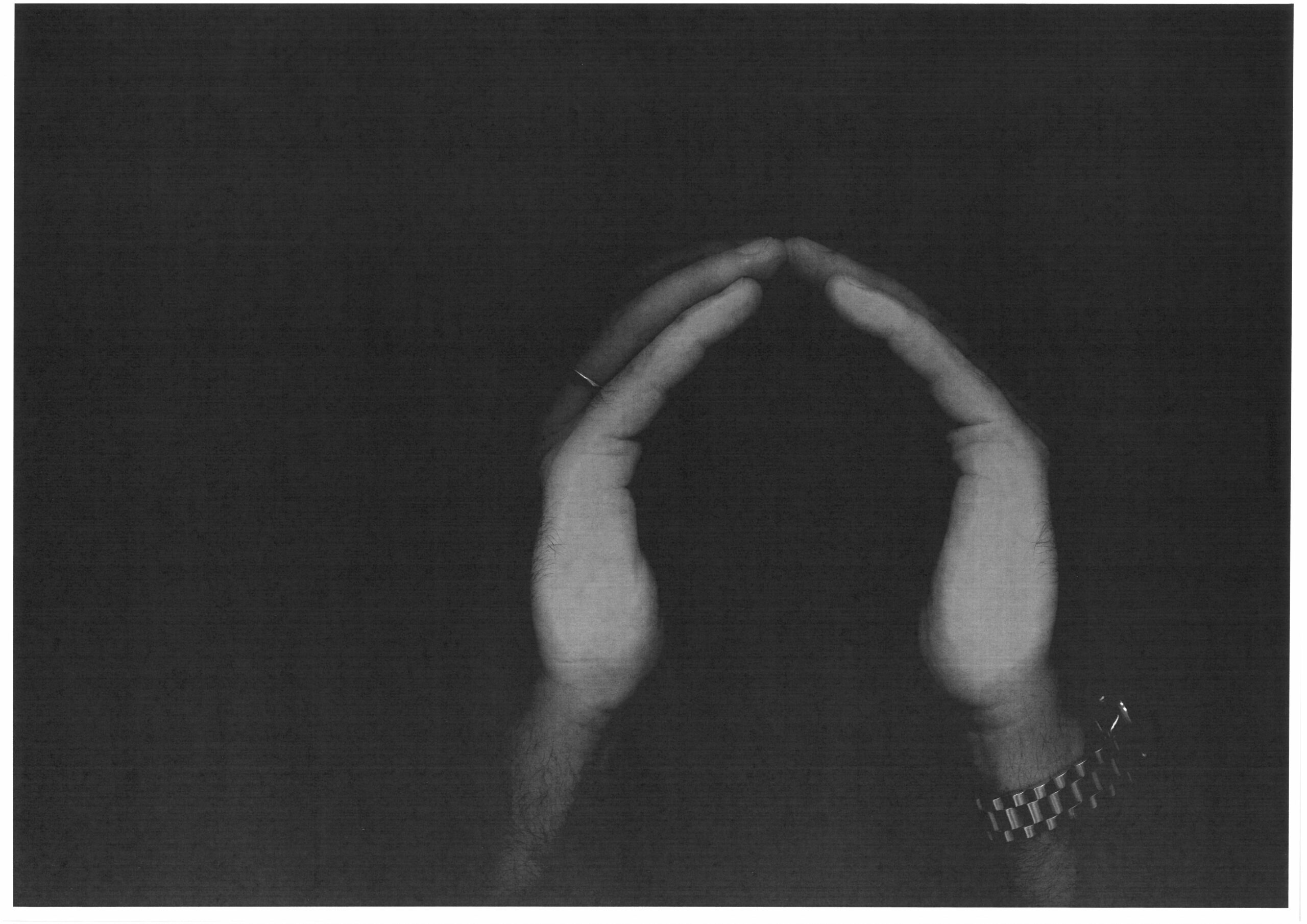
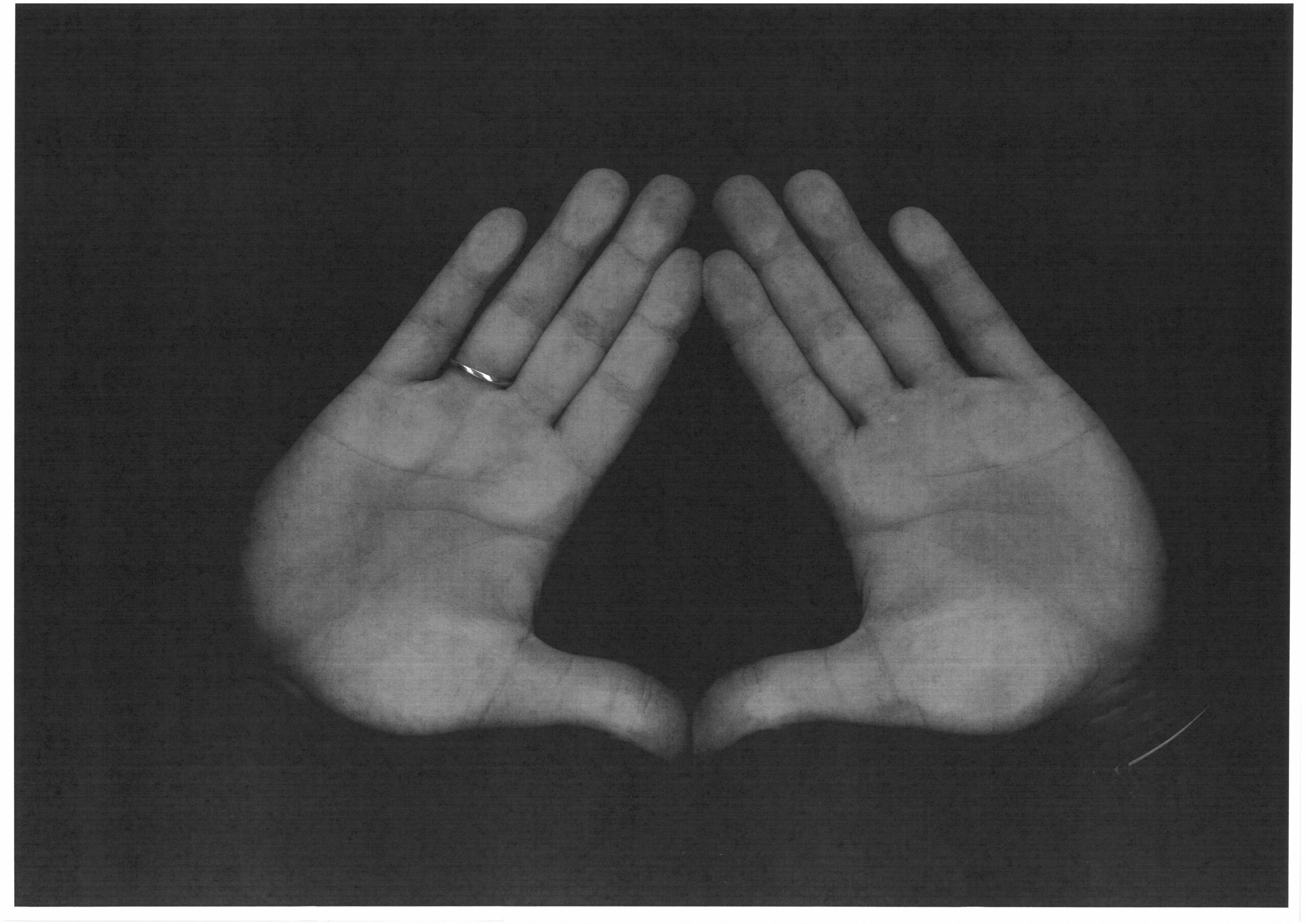
The scanner proved to be a suitable drawing tool precisely because it eliminates gesture. In a sense, it is the inverse of architectural drawing: it does not abstract the body, but collapses it into a flat surface. The resulting images are not photographs, not technical scans, and not sketches in the traditional sense. They resemble imprints—involuntary diagrams of presence. Where I applied pressure, my finger or skin became bright; where it stuck, it wrinkled. Where a ring touched the glass, it scratched and chimed—wearing such things for this action felt strangely unnatural, even above a copier. The movement could not be captured, only the moment—since I wanted to see the result immediately, I did not scan but photocopied directly, over and over in different positions; only later I scanned and archived the copies.
These early images reveal a visual language capable of telling a story. They also fit into a longer line of thinking within our practice about the role of regional narratives, cultural memory, and environmental experience. In the Unknown Hands, the hearth is not nostalgia but a diagram of how body and space are intertwined—a recognition that all architecture begins with the exchange, an exchange that is at once intimate and political.
Notes
- The nine images within the installation House of Fire (2025), titled Unknown Hands, were created by the author.
- The mid-century prose text by the Hungarian poet Sándor Weöres was translated by the author with the help of AI.
*
Molnár Szabolcs is an architect based in Budapest, co-founder of TEREBINTH, and a partner at Paradigma Ariadné. His work spans architecture, exhibitions, and research, exploring the relationship between vernacular traditions and contemporary architectural thinking, with a focus on cultural continuity, material narratives, and spatial interpretation.
This text is one of the selected responses to the second category of the Open Call 2025: Visibility, and the Unseen—a series of short contributions that either bring to the surface the unseen drawings within the Drawing Matter Collection (I. In the Archive) or explore original architectural drawings, created by the author(s) of the contribution, which make visible the unseen (II. In Practice).
