On Cedric Price
Cedric Price’s thinking and work have had a very particular influence on my work, in the sense that some fundamental choices I have made as an architect have been deeply influenced by his philosophy. In this sense, it seems to me that Cedric Price was one of the few architects after Le Corbusier to have had his own philosophy, that is, an enlightening way of thinking that all his work referred to.
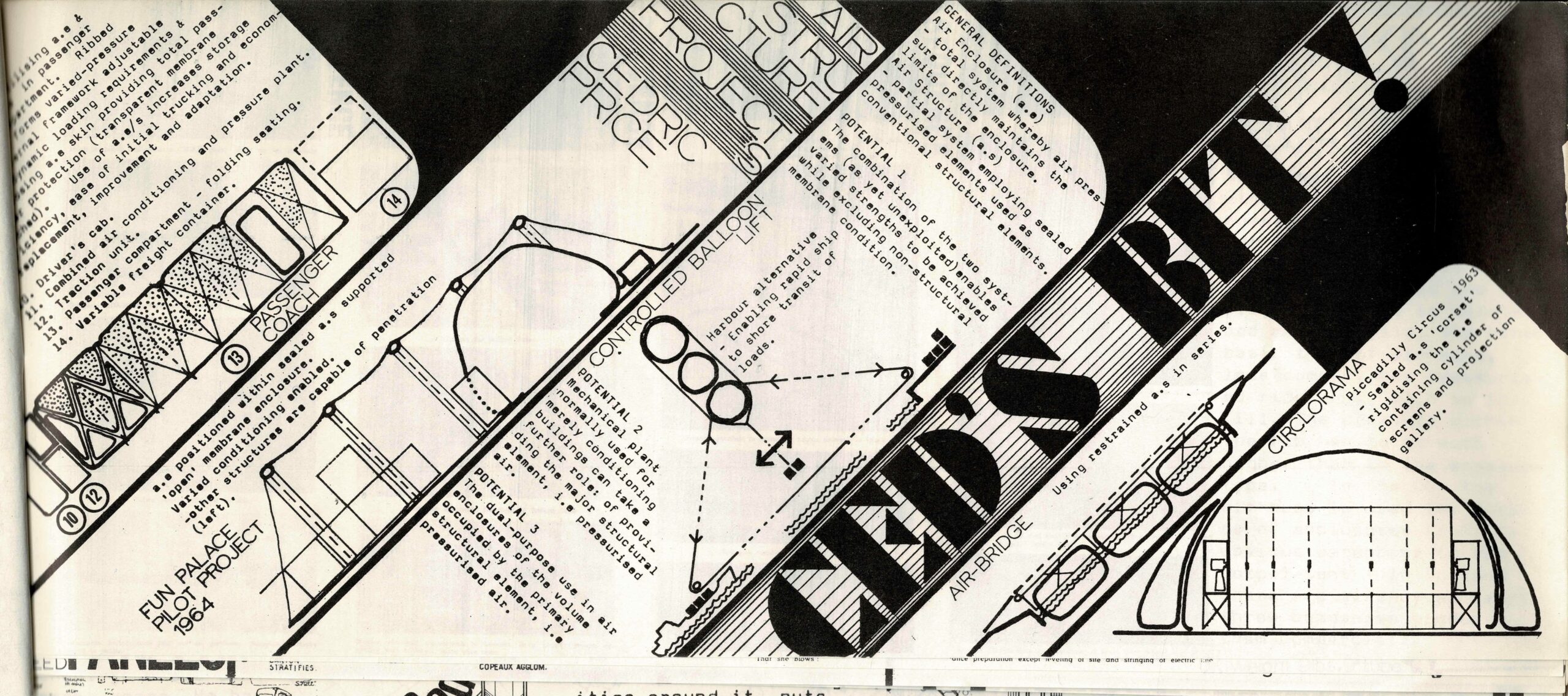
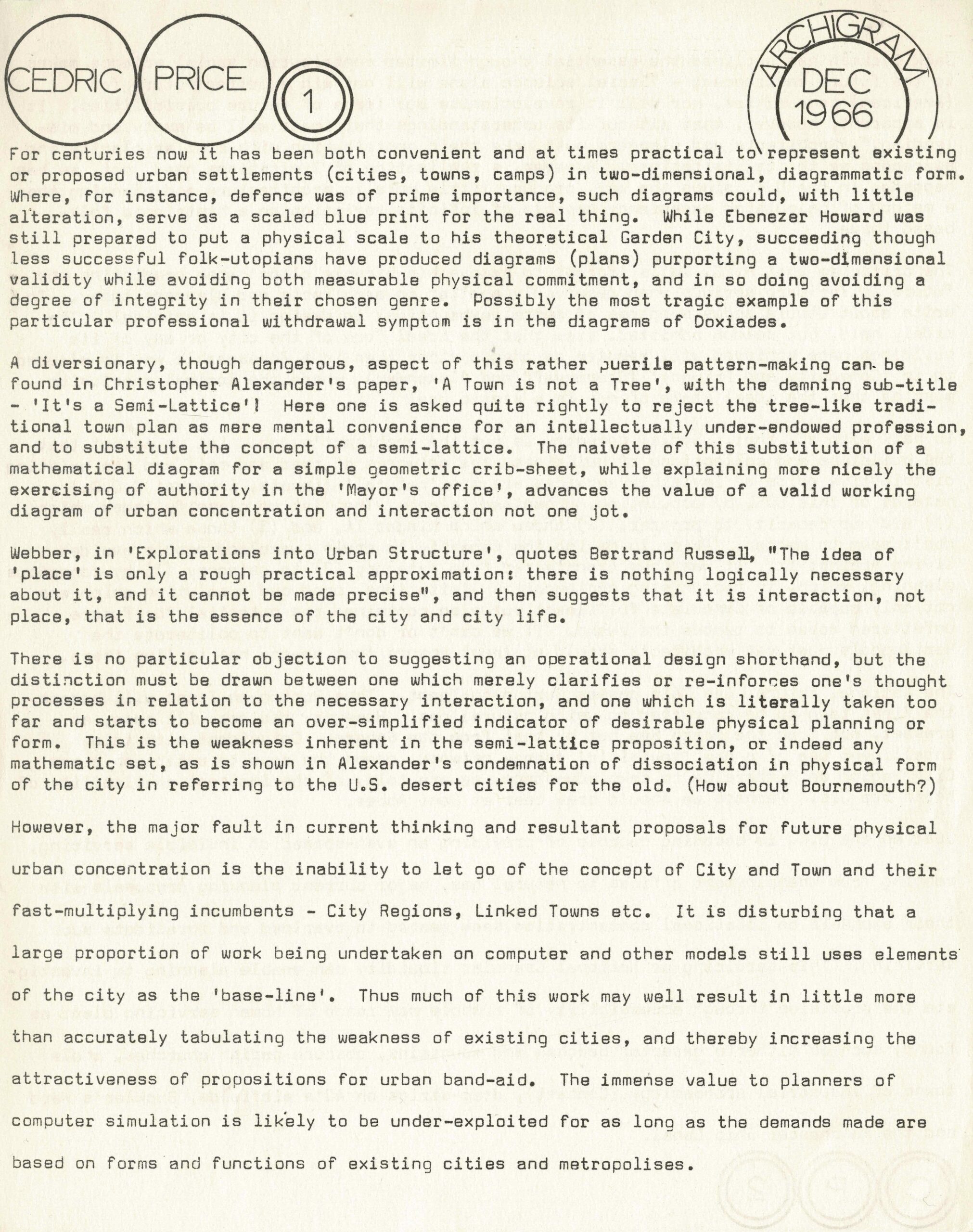
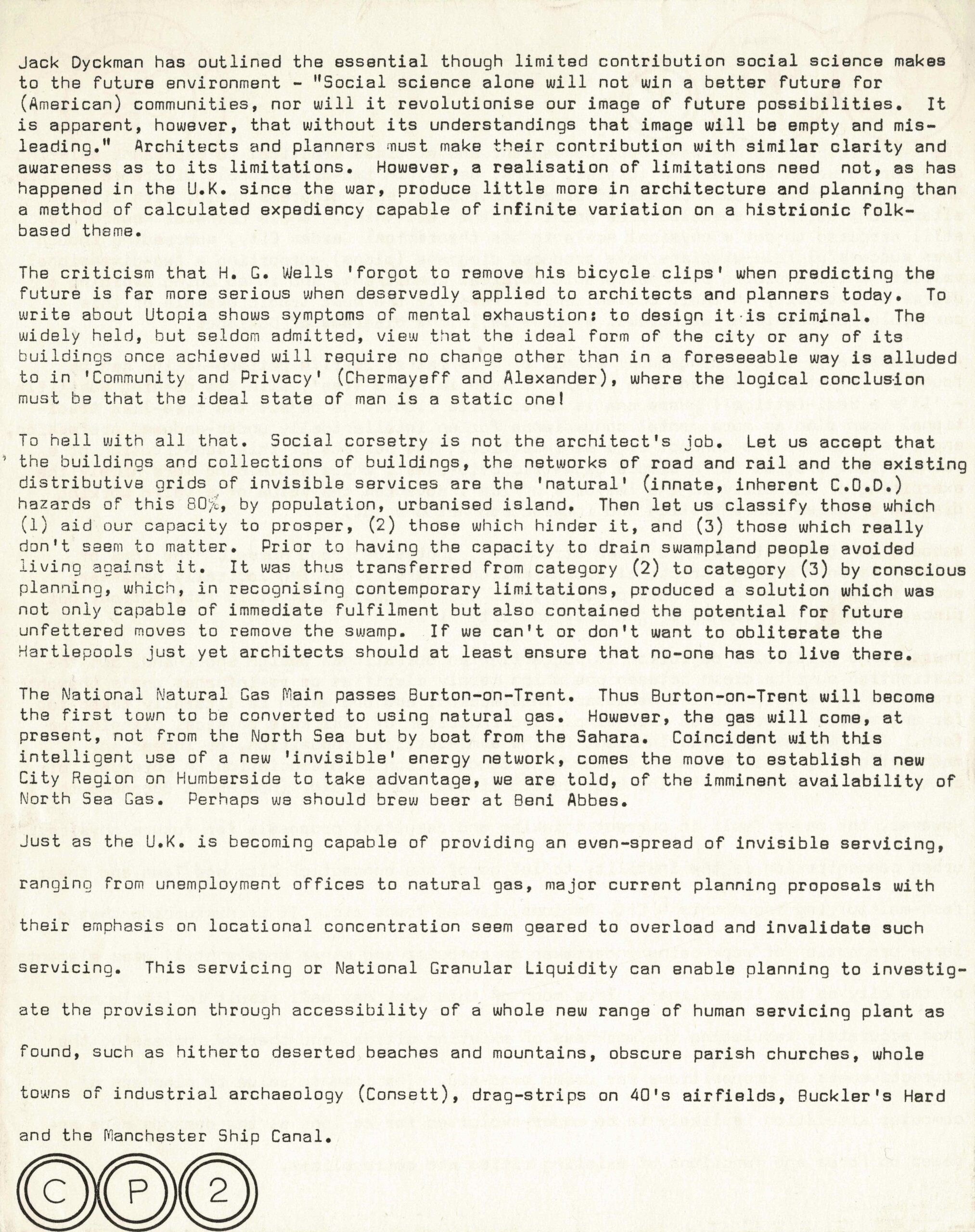
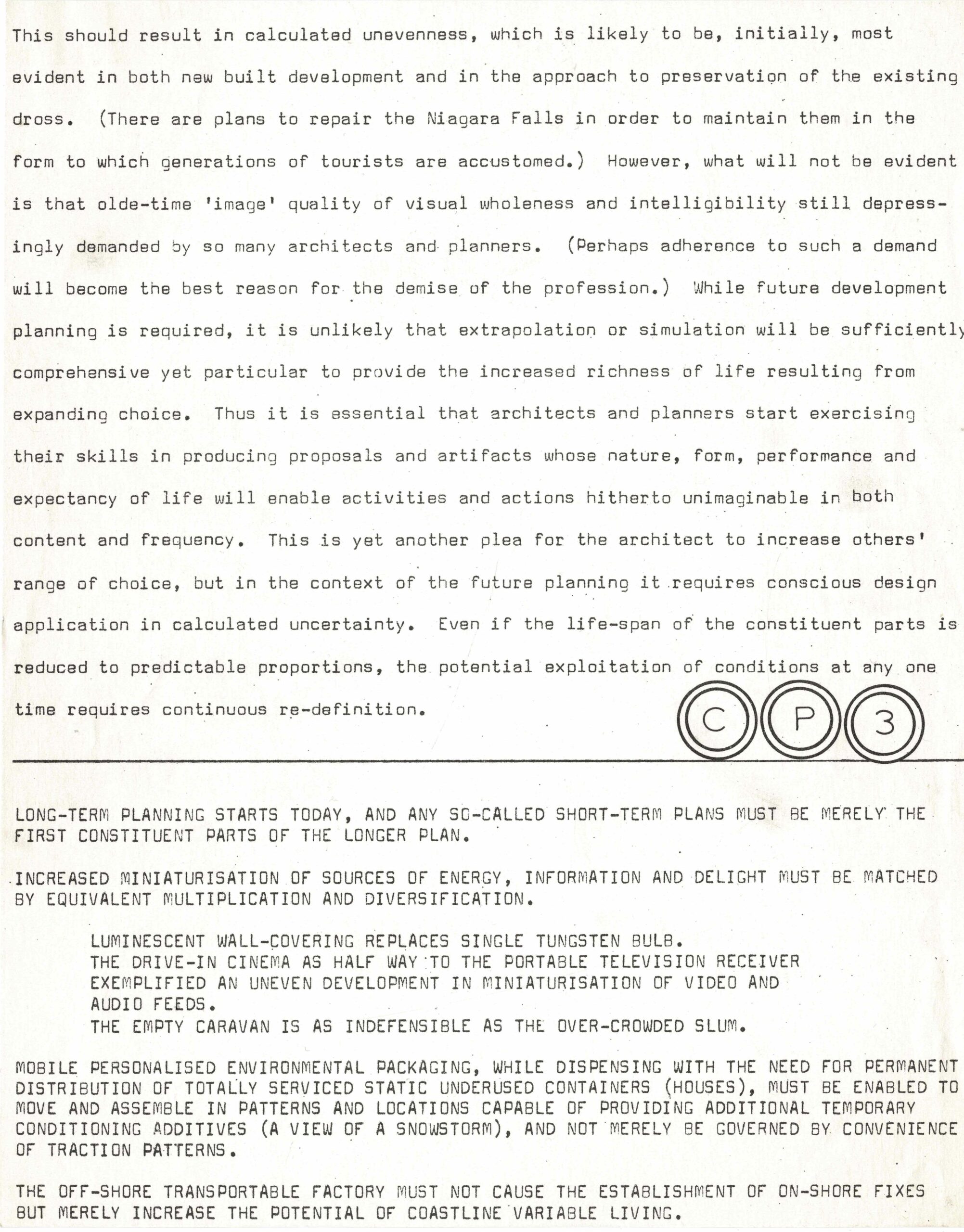
I remember very well that at a certain point in 1966, when I had just graduated and was preparing the first edition of the Superarchitettura exhibition in Florence with Archizoom and Superstudio, I was leafing through a copy of the London magazine published by Archigram and looking at a very contrasting image of one of their projects without really understanding it. Then Adolfo Natalini said to me polemically, ‘Cedric Price claims that today the quality of air conditioning is more important than the architecture that contains it!’ I was stunned and replied, ‘Interesting!’. The photograph is completely insignificant, but for me it was the first real breakaway from that stylistic circle of pop architecture, which was then becoming limited. I was disappointed because it was purely linguistic, purely formal, and in fact failed to satisfactorily shift the compositional core of our search for a new architecture.
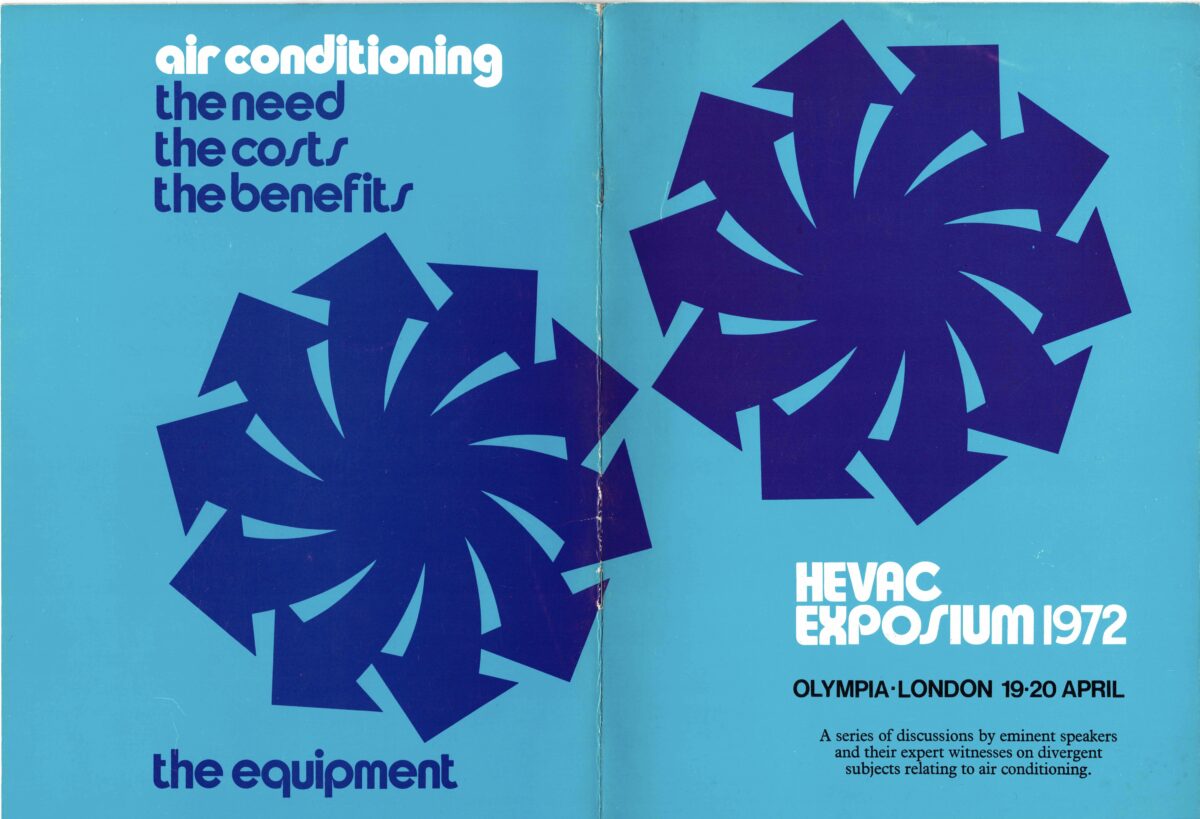

Hearing Cedric Price’s brilliant insight, I felt as if I could hear another melody, one that had not yet been written but could point to the future of our research. Cedric Price’s intuition—which emphasised qualities that went beyond the formal and functional aspects of architecture—opened up a historically new path towards an architecture that was no longer architecture, but could become an environmental system freed from the traditional limits of urban figuration. Our No-Stop City was born precisely from that intuition.
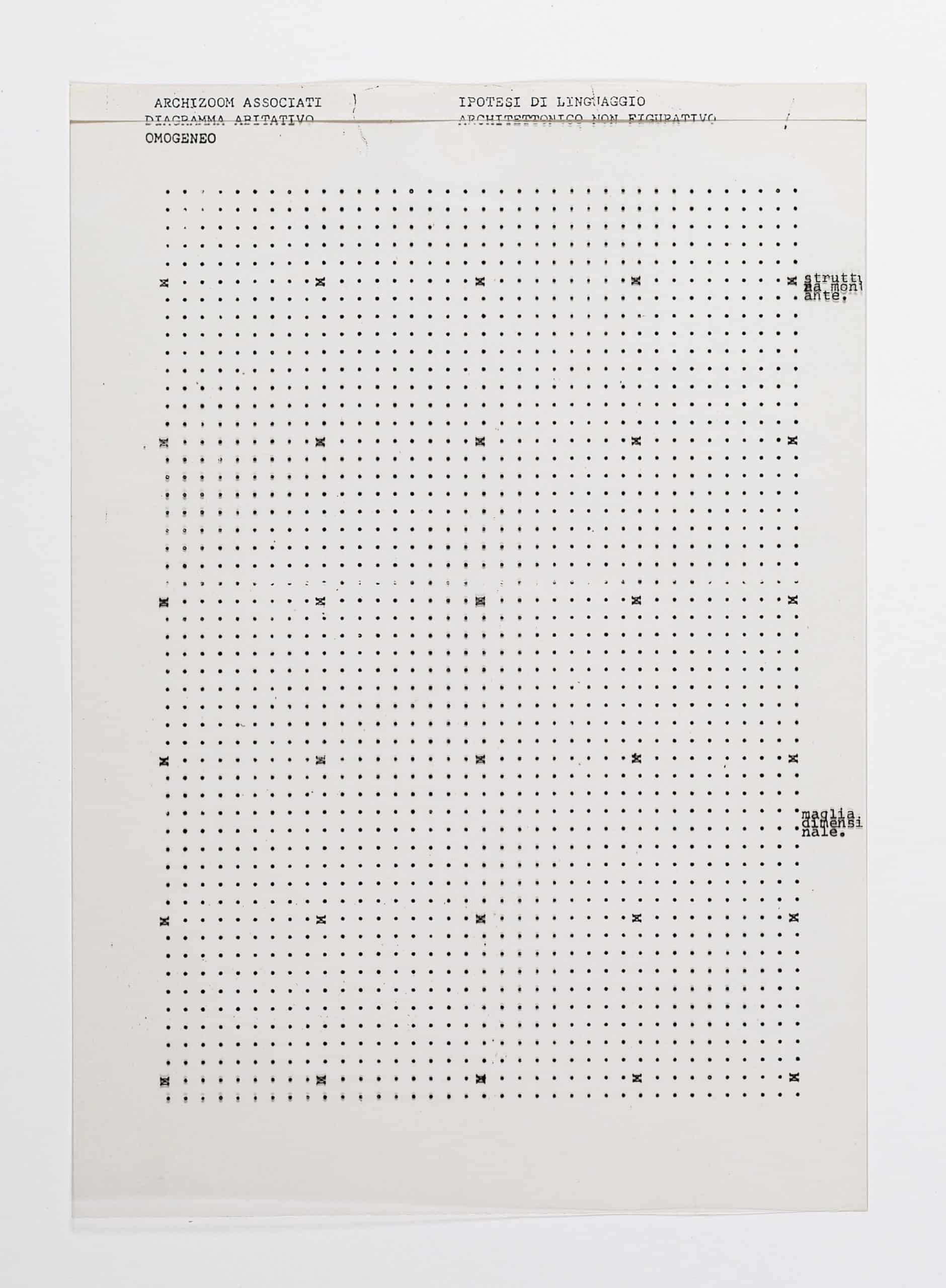
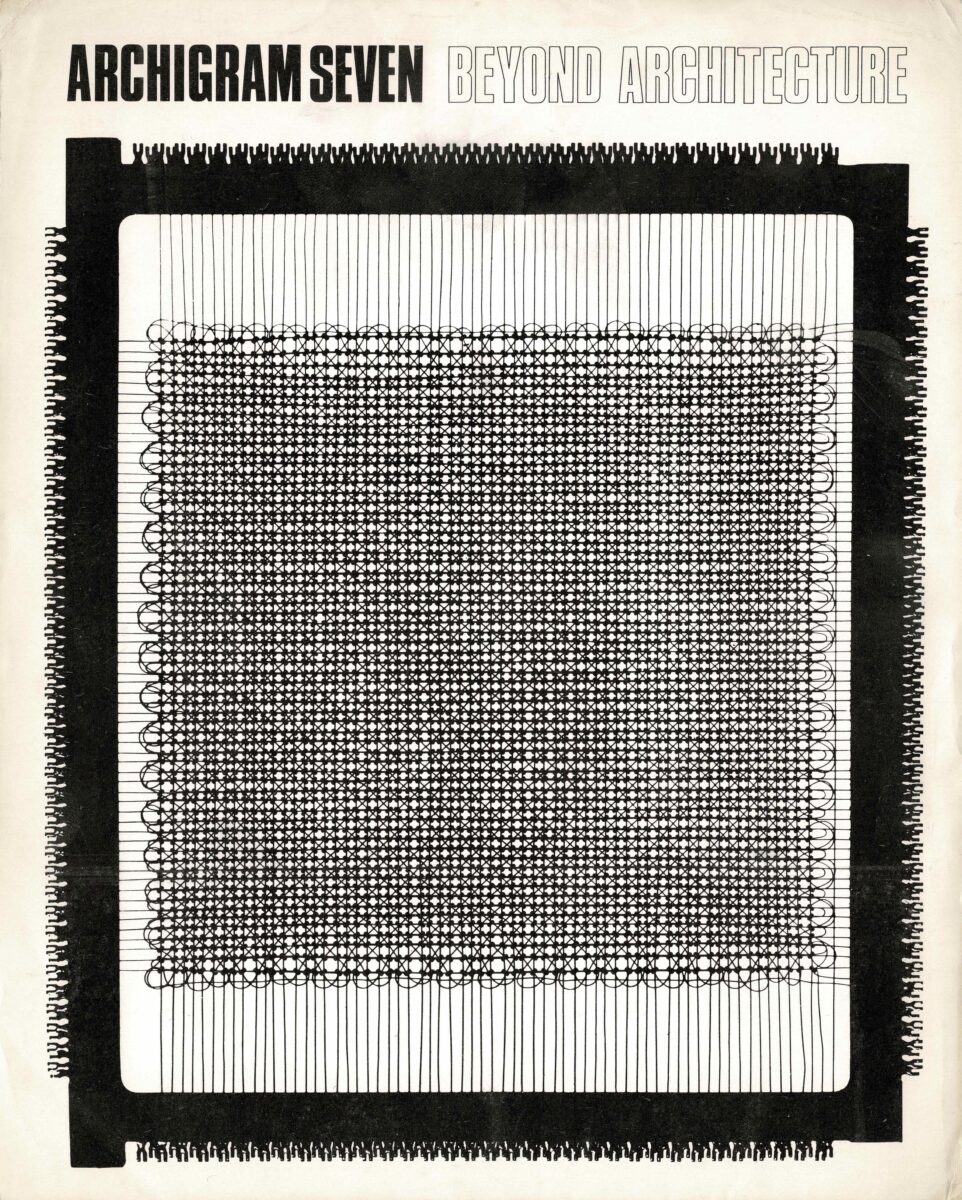
Other seminal elements in Cedric Price’s later work proved important in the evolution of my research, from Agronica to Eindhoven, namely architecture that constructs itself, like a dynamic energy, transforming space and territory, introducing the component of time into its life cycle. This evolutionary vision went beyond the rigid immobility of construction and moved towards the enzymatic architecture that interests me greatly today, the result of a deeper and less exhibitionist modernity, weak but widespread, which I believe well represents this strange beginning of the twenty-first century.
*
Andrea Branzi (1938–2023) was an Italian designer, architect, and artist. His text ‘Cedric Price’ was first published in Domus, n. 870 (May 2004).
