The Primacy of Drawing
The Primacy of Drawing, Deanna Petherbridge’s magisterial survey of the place of drawing in European art since the Renaissance, was first published by Yale University Press in 2010. Weighing in at 520 pages, it was a formidable achievement of vast erudition and profound insight, the fruits of more than two decades of exhaustive study by an artist-scholar whose own drawings in ink were also painstakingly created.
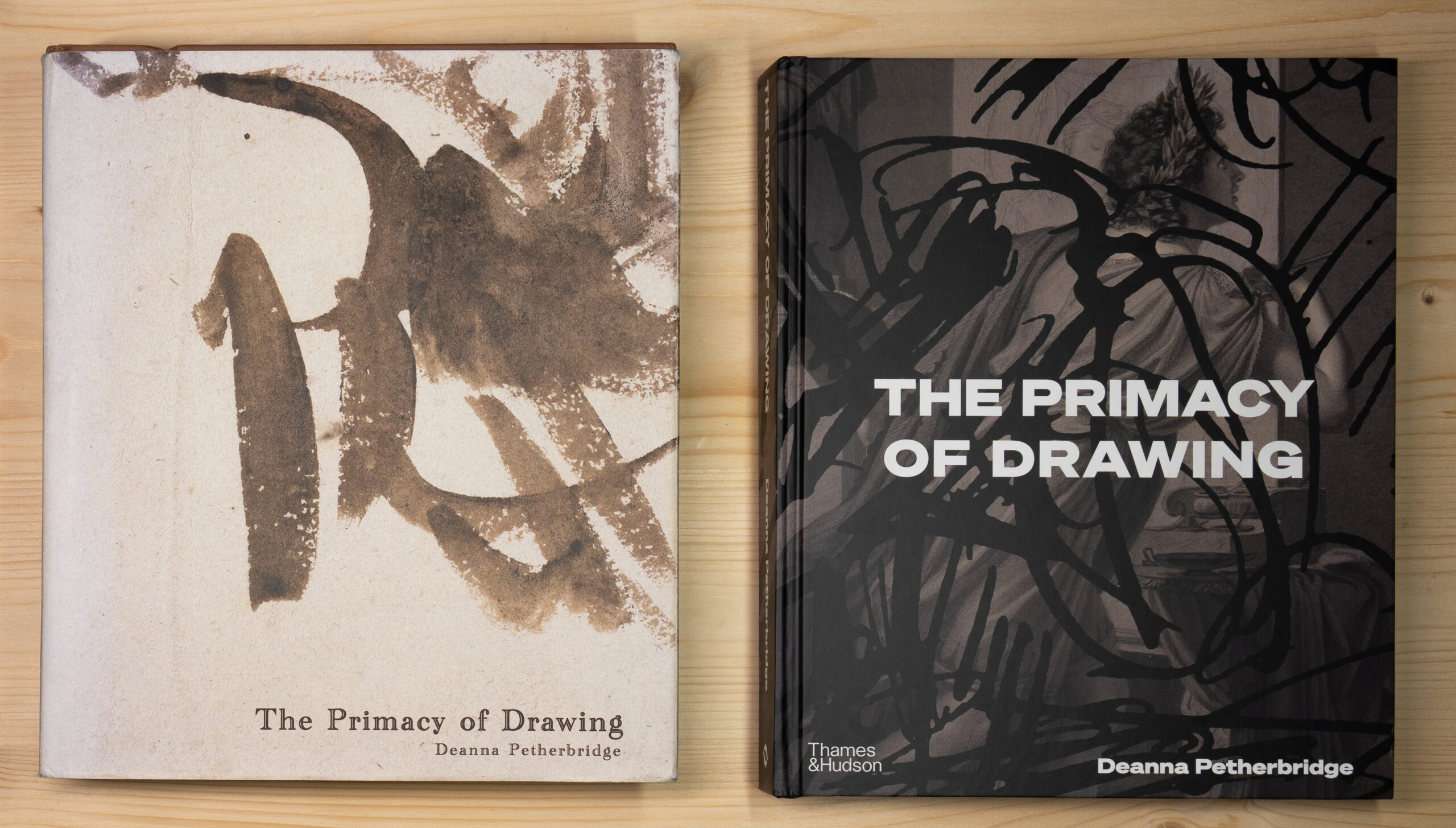
A new revised edition of The Primacy of Drawing has now been issued by Thames & Hudson. Although published posthumously, it somehow seems in the quality of its design and sensitive treatment of reproductions to bear the hallmarks of the author’s close and scrupulous oversight. Evidently, she had at last found an editor she could trust! Deanna died in 2024 at the age of 84. She had devoted her final years—after physical constraints prevented her from standing at her drawing table—to reworking and expanding upon her text, and seemed determined fiercely to resist death until her task was complete. The result is a condensed and streamlined version of the original, updated in significant ways, with fresh passages and new references. Reduced in length to 390 pages, it is still substantial, but brisker and perhaps more fluent. Gone is the somewhat pedantic subtitle, ‘Histories and Theories of a Practice’. Conscious of the gender imbalance in the first edition, she has corrected that now with the inclusion of many more women artists, especially in the contemporary sections.
Unlike the first edition, this one is not dedicated to the Keeper (now retired) and staff of the Department of Prints and Drawings at The British Museum, but that debt remains implicit. It was in the Students’ Room at the British Museum that Deanna honed her scholarship, studying Old Master drawings at first hand. I remember in the late 1980s, as an exhibition organiser at the Arts Council, working with her on a touring exhibition she curated that drew heavily on the British Museum’s collections, expertise and goodwill. That exhibition consisted of an eclectic, transhistorical selection of 144 drawings (from many different sources besides the BM), loosely organised under the headings: ‘The Flexible Brush’, ‘The Sinuous Line’, ‘Classic Contours’, ‘The Expressive Gesture’, ‘The Dumb Line’, ‘The Point of Analysis’ and ‘Drawing to an End’. This modest exhibition, which toured to Bristol, Stoke on Trent and Sheffield, was the embryo of the monumental project that was to consume her for the rest of her life. Its title: The Primacy of Drawing, An Artist’s View.
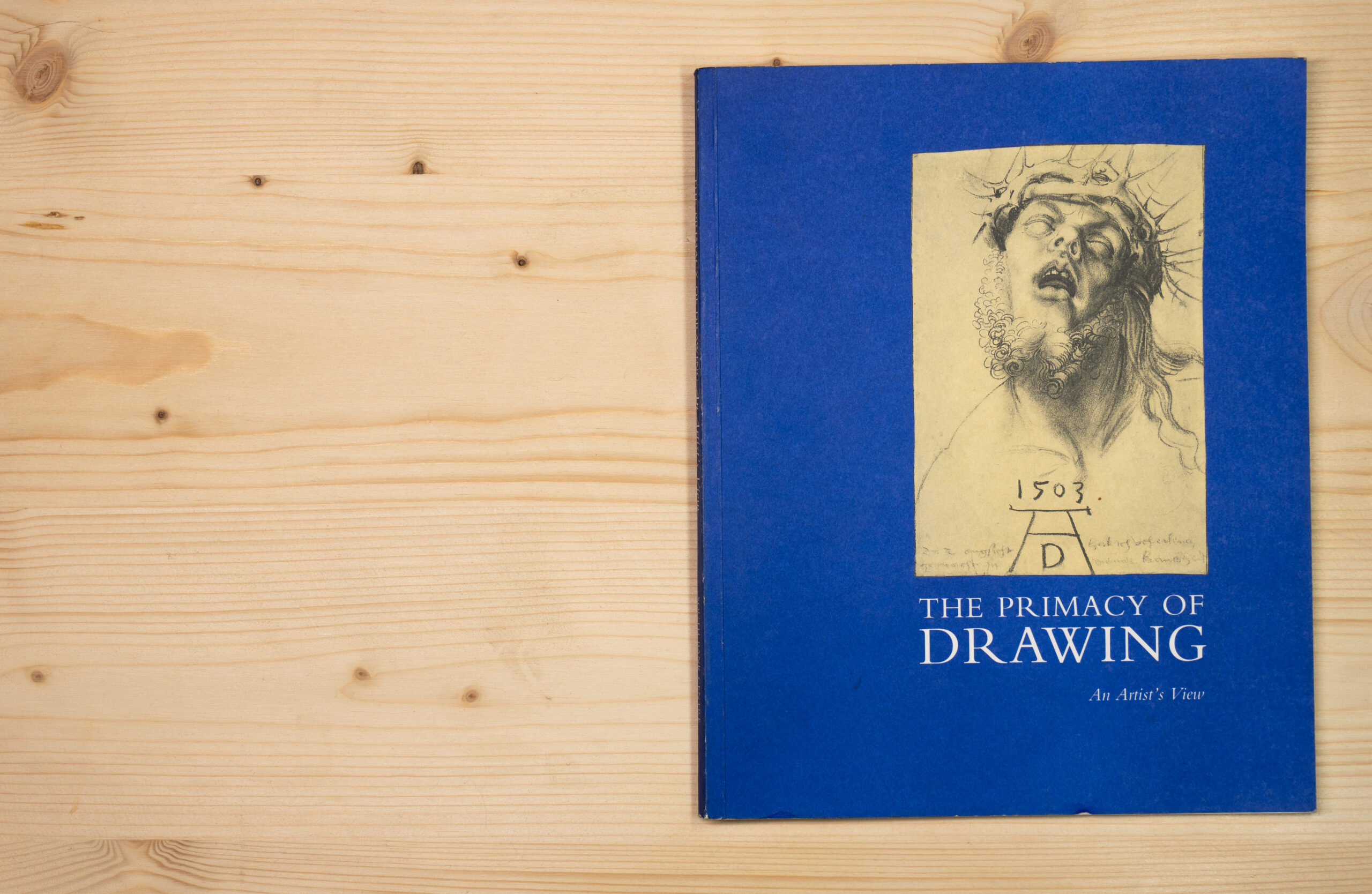
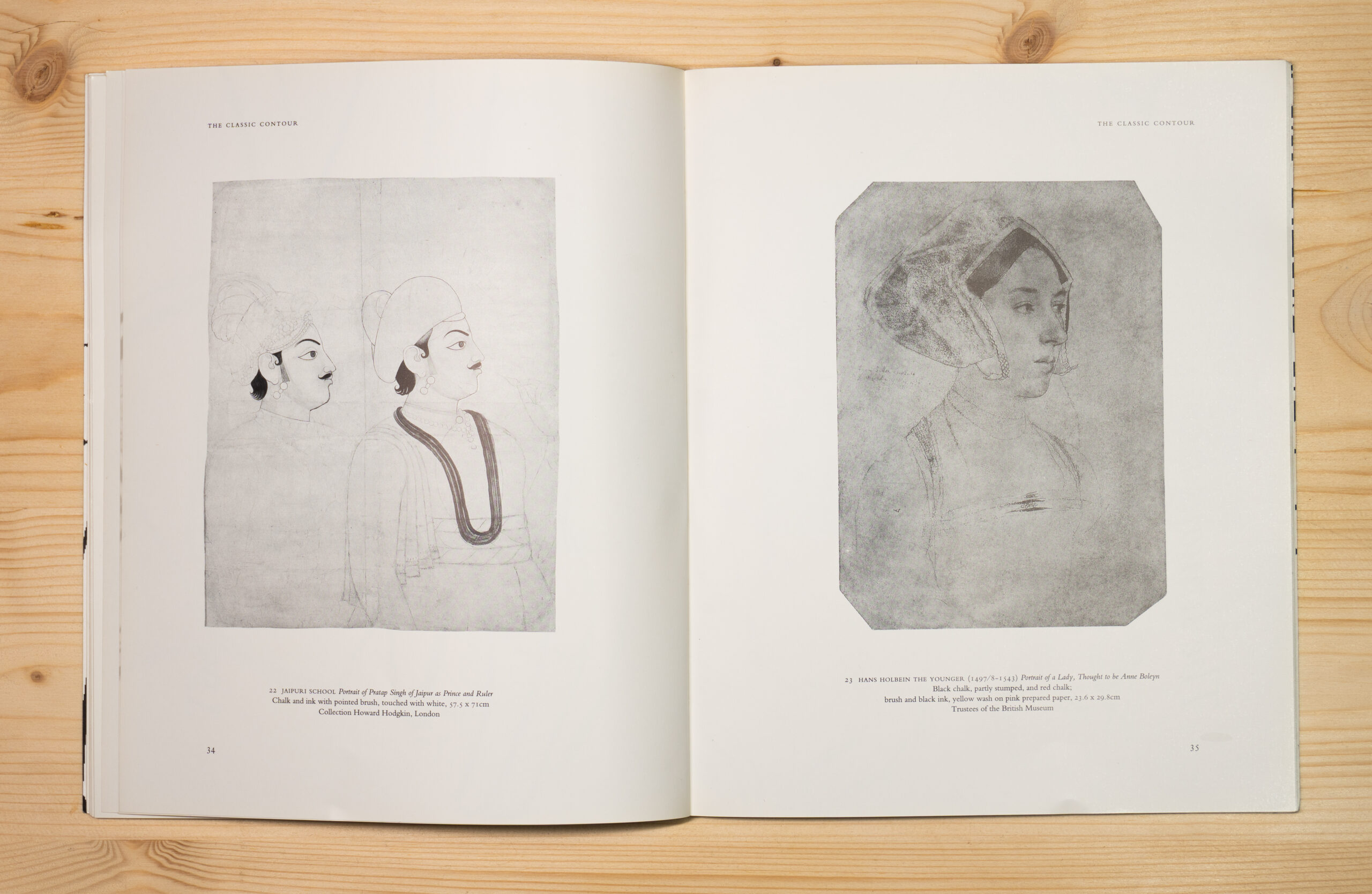
In her Preface to the new edition, Deanna expresses regret that she hadn’t managed to live up to her initial expansive ideas—not only about equalising the sexes, but encompassing ‘related fields, particularly architecture and design’ and other cultures and traditions besides the European. Although she had lived and worked in India and travelled widely, including in the Middle East and the Maghreb, she did not feel confident in writing about the wider world. Ironically, in the smaller and less formal context of a touring exhibition she had been bolder and more promiscuous, pairing a pen and wash drawing by Nichola Maes with a 17th-century Zen brush and ink drawing, for example, and a chalk and ink portrait by Hans Holbein the Younger with an 18th-century Jaipuri School profile portrait of an Indian prince, also in chalk and ink. These and other eloquent juxtapositions are preserved in the catalogue. In the exhibition itself, many other elements were brought into play, in groupings of drawings with clear affinities, although separated by centuries and continents.
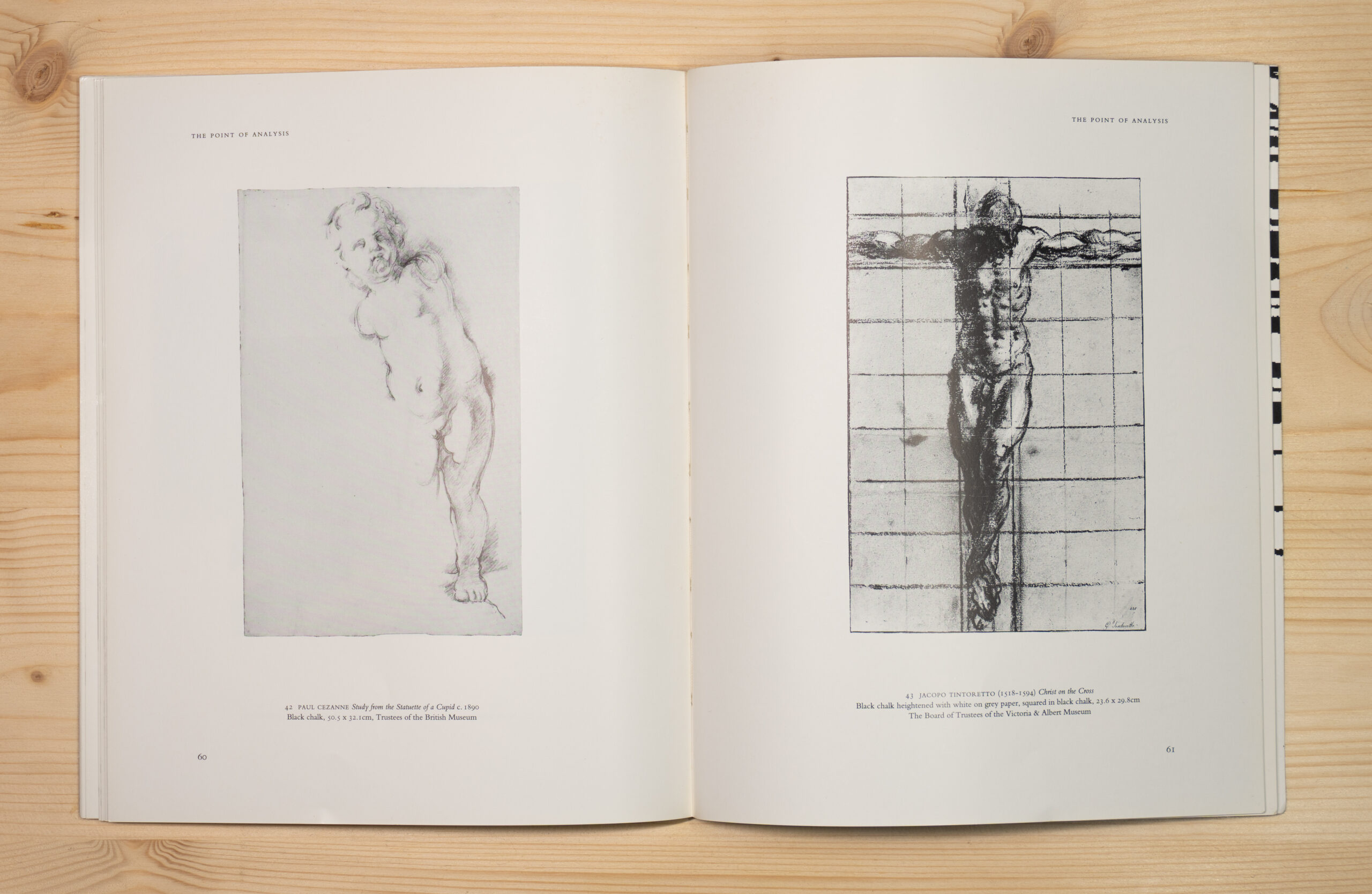
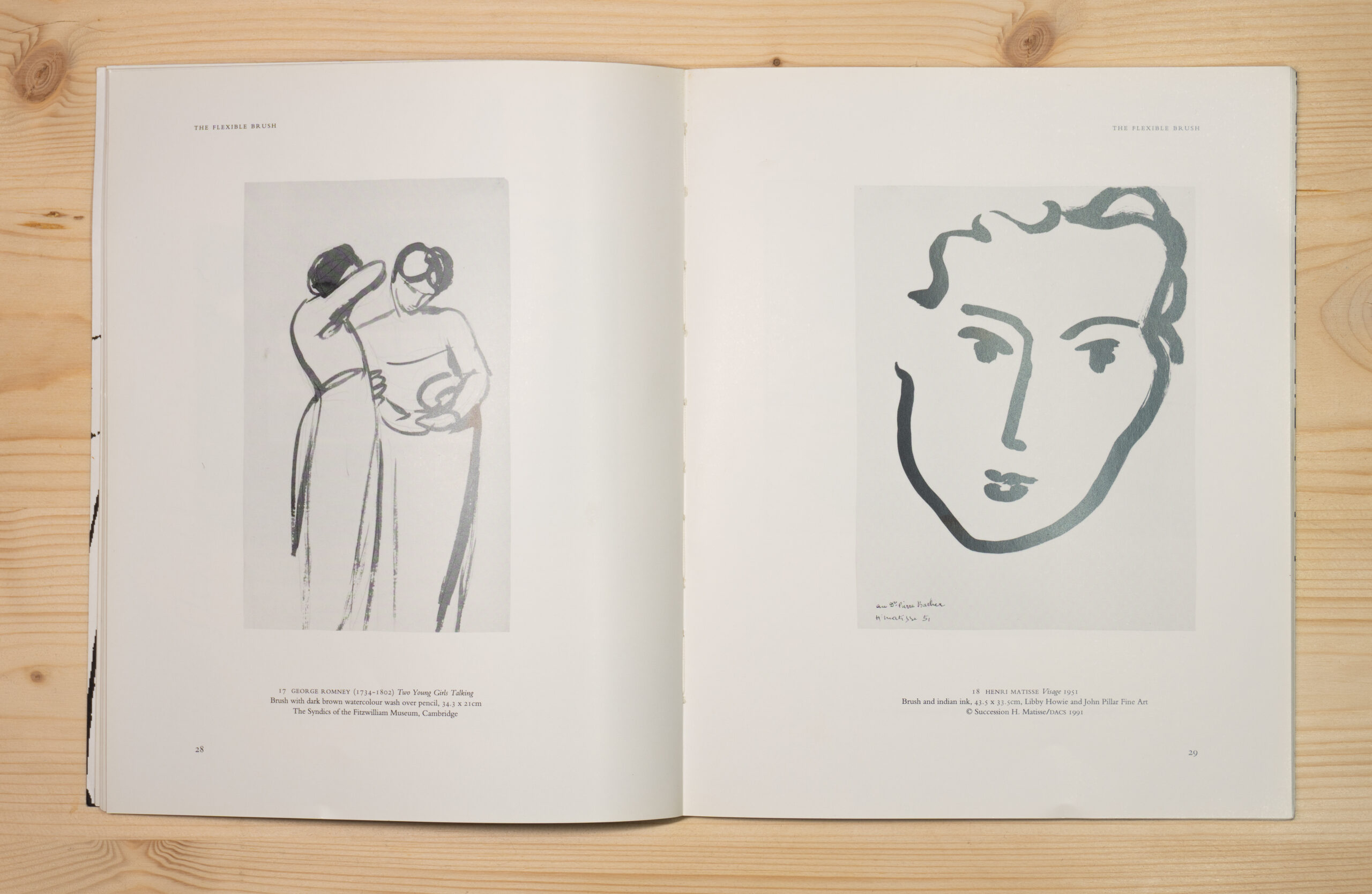
That was Deanna’s principal theme: the universality of the language of drawing, in ‘its economy of means and expressive intensity.’ Thus while it would hardly make sense to place a painting by George Romney alongside one by Matisse, drawings in watercolour and brush and ink by the two artists can be seen to belong to the same realm. They are similar in scale and coexist comfortably on the wall, as swift summaries of a figure or face with a few strokes of the brush. And the rippling outlines of a Tintoretto chalk drawing of Christ on the cross rhyme with the contours of a Cézanne chalk drawing of a statuette of a cupid. Such friendly exchanges between disparate works of art are one of the pleasures of an exhibition; their spatial proximity can convey wordlessly valuable insights. This is not a didactic exercise but a process of discovery, which the artist as curator shared with the viewer. That was the spirit in which Deanna put together the exhibition, and the same spirit animated her larger intellectual project: the book of the same name.
*
Roger Malbert is a writer on contemporary art and an exhibition curator, and former Head of Hayward Gallery Touring at the Southbank Centre, London.
